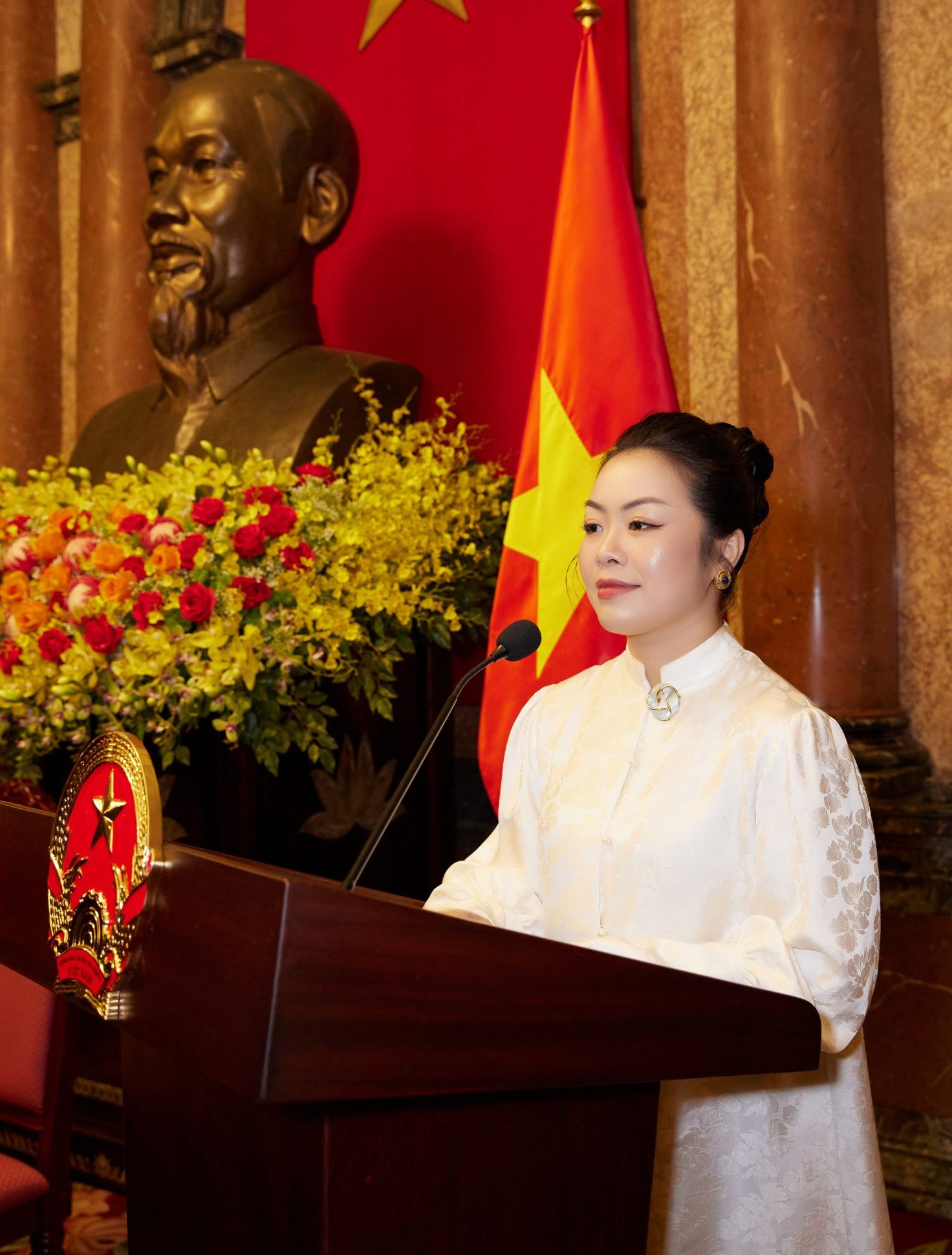
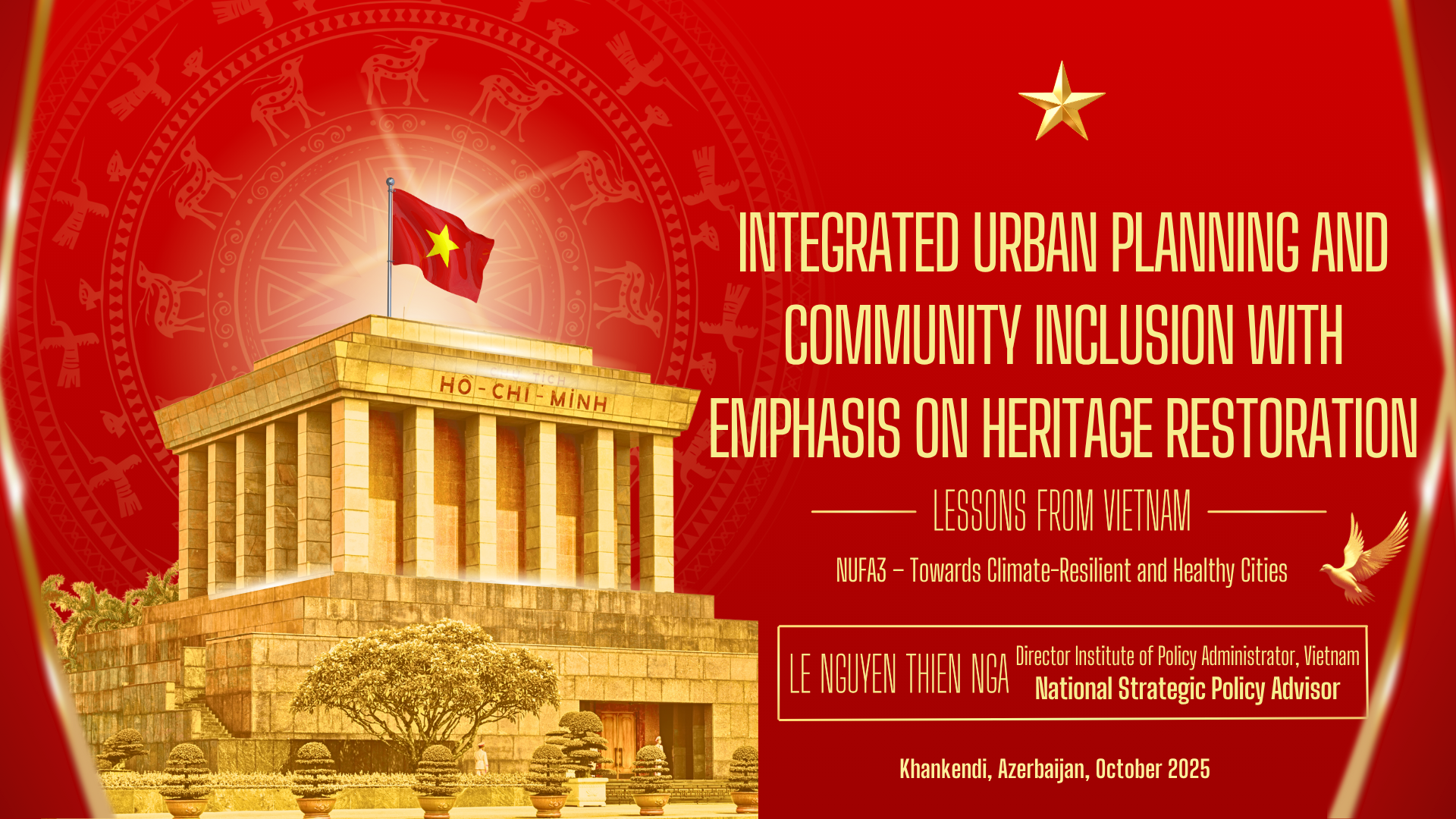
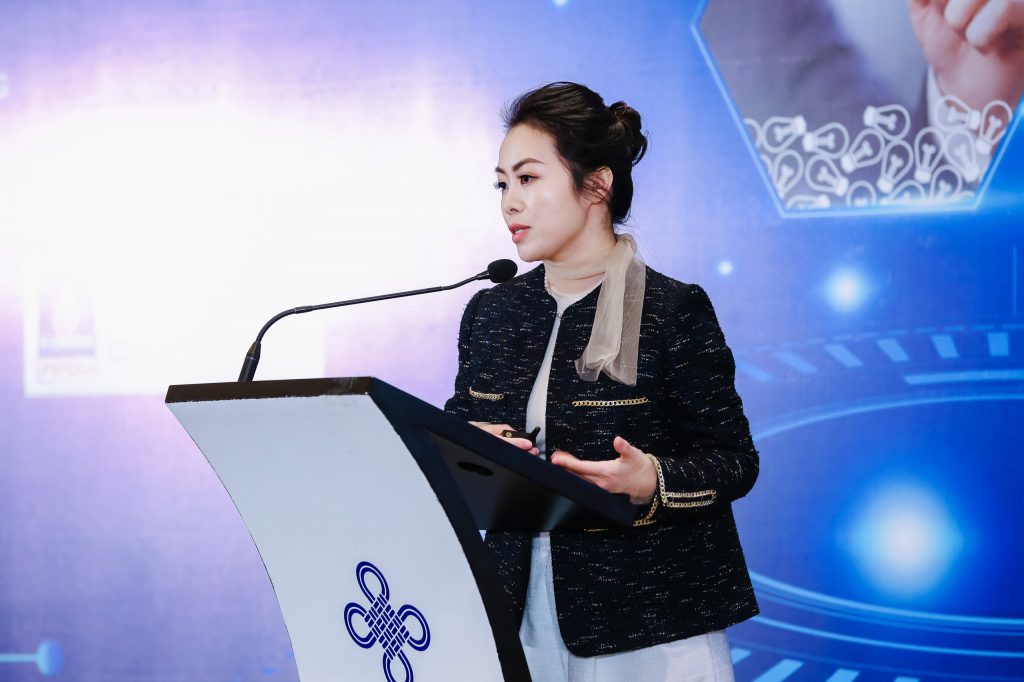
Entegrated Urban Planning and Community Inclusion with Emphasis on Heritage Restoration – Lessons from Vietnam
Mr Chairman, Excellencies, Distinguished Delegates, Ladies and Gentlemen,
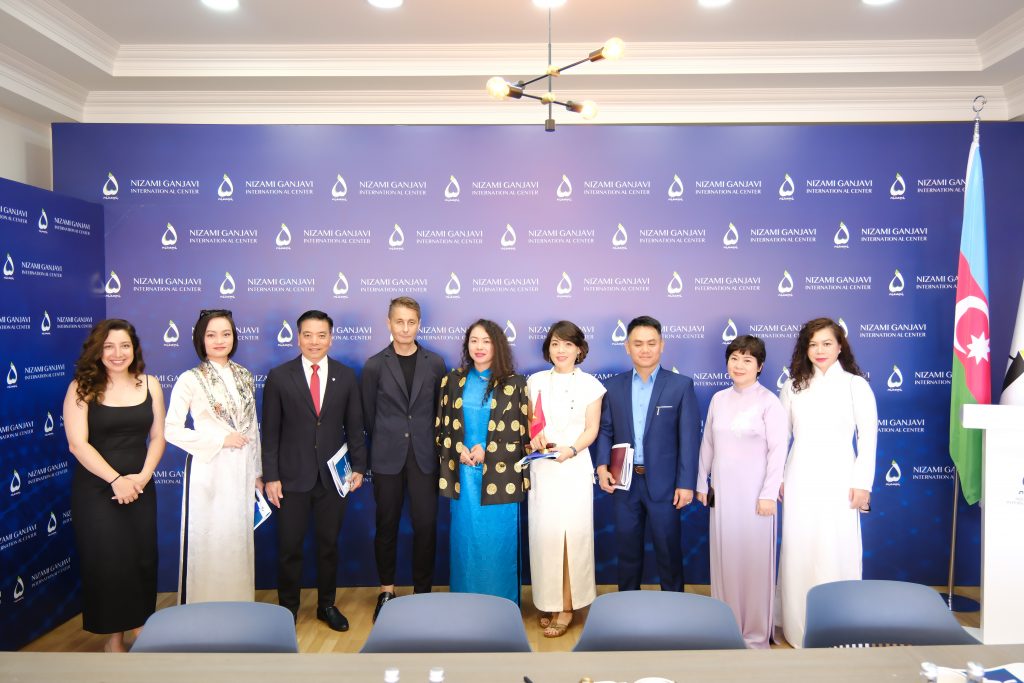
It is a profound honor to participate in this session titled “Integrated Urban Planning and Community Inclusion with Emphasis on Heritage Restoration – Lessons from Vietnam”, under the theme “Towards Climate-Resilient and Healthy Cities.”
Standing here on the historic land of Azerbaijan, we are reminded that every city, every stone, every street, every tradition, carries the memory of generations past, as well as the responsibility to pass this legacy to those yet to come.
The Challenge of Urbanization
Across the globe, cities are expanding at an unprecedented pace.
Particularly in developing nations, rapid urbanization brings opportunities for growth, but also pressing questions:
How do we build modern, resilient, and dynamic cities while preserving the cultural identity that defines them?
How do we ensure communities are not displaced, but empowered, in the process of development?
Heritage is not only about historic monuments or ancient walls.
It is the living memory of communities, the soul of a nation, expressed through architecture, crafts, rituals, music, and collective identity.
Without thoughtful planning, urban expansion risks erasing these legacies forever.
The Global Context
Around the world, we see that heritage preservation is not a constraint—it is a catalyst for sustainable development.
In Europe, restored historic quarters have become thriving centers of culture and tourism.
In Asia, cities like Kyoto (Japan), George Town (Malaysia), and Luang Prabang (Laos) show that heritage can coexist with modern urban life.
These examples confirm a vital truth: when heritage and people are placed at the center of planning, cities become more inclusive, creative, and resilient.
3. Vietnam’s Perspective and Experience
Vietnam offers a unique story.
Our country spans 331,000 km², with nearly 100 million people—from high mountain plateaus to a 3,260 km coastline.
Our heritage is as diverse as our landscapes: imperial capitals, ancient citadels, colonial towns, sacred sites, folk music, and living rituals.
Decades of war left deep scars—many heritage sites were damaged or destroyed.
Yet Vietnam managed not only to preserve its cultural soul, but to revive and transform heritage into a foundation for development.
Today, Vietnam proudly holds:
-
9 UNESCO World Heritage Sites
-
16++ elements of intangible cultural heritage, including Nhã nhạc court music of Huế, Ca trù, Quan họ, Đờn ca tài tử, the Worship of the Hùng Kings, Xòe dance, Cham pottery, and the Via Bà Chúa Xứ festival.
Heritage success stories include:
-
Hội An Ancient Town – where preservation goes hand in hand with community life. Residents were not displaced; instead, they became custodians of their own heritage—continuing tailoring, lantern-making, wood carving, and pottery.
-
The Imperial City of Huế – once in ruins, now revitalized through adaptive reuse, becoming a vibrant hub for festivals and tourism.
-
Mỹ Sơn Sanctuary – damaged during conflict, now restored through international cooperation.
-
Côn Đảo – balancing memory, nature, and sustainable tourism.
-
Cổ Loa Citadel – the cradle of Vietnam’s first kingdom, preserved as both an archaeological site and a living cultural landscape.
In Vietnam, heritage is not locked in museums, it is lived and passed on through daily rituals, crafts, and community practices.
Integrated Strategies for Urban Planning and Heritage Restoration
Despite achievements, challenges remain: economic pressures, urban sprawl, limited funding, technical gaps, and outdated legal frameworks.
To respond, Vietnam applies an integrated approach, based on five key strategies:
-
Participatory Planning – Communities shape decisions to ensure development reflects local identity.
-
Cross-Sector Collaboration – Government, private sector, and civil society unite resources and innovation.
-
Adaptive Reuse – Historic buildings are reborn as museums, artisan workshops, or cultural spaces.
-
Education and Awareness – Festivals, schools, and public programs build pride and stewardship, especially among youth.
-
Compassionate Diplomacy – Vietnam shares experiences and promotes heritage as a bridge for peace and cultural exchange.
Women and youth are vital in this journey. Across the country, women artisans, young architects, and students have become guardians of cultural continuity, reviving traditional crafts, reimagining heritage, and shaping more inclusive, creative cities for the future.
Traditional Knowledge and Climate Resilience
Heritage is also a powerful tool for climate adaptation.
In Vietnam’s old towns and villages, traditional houses were built with natural ventilation, local materials, flood-resilient architecture, and a deep understanding of local ecology.
The iconic “tube houses”, narrow and deep urban homes common in Vietnamese cities, are not just a response to land scarcity, but reflect a centuries-old adaptation to urban density, airflow, and multifunctional family life.
These small but efficient homes show how traditional architecture offers sustainable models for today’s compact, low-carbon cities.
By embracing traditional knowledge systems, we are not only preserving cultural identity, but also finding solutions for climate-resilient, low-impact living.
Universal Lessons
Vietnam’s journey offers practical lessons for other nations, especially those rebuilding after conflict or disaster:
-
Heritage builds resilience. When structures fall, memory and tradition can guide recovery.
-
Communities are the custodians. Empowering people creates ownership and continuity.
-
Culture drives inclusive growth. From tourism to jobs, it boosts the economy while strengthening identity.
-
Shared heritage fosters peace. It opens doors for dialogue and international understanding.
While this presentation has focused on heritage restoration, Vietnam’s broader urban development strategy also emphasizes inclusive housing, ecological planning, and post-conflict recovery, all rooted in community identity and trust.
Ladies and Gentlemen,
Cities are not merely physical spaces. They are living ecosystems, shaped by culture, memory, and the people who inhabit them.
By placing heritage at the heart of urban planning, we are not clinging to the past. We are equipping our cities to face the future with identity, dignity, and sustainability.
Heritage is not just memory, it is a gift to our children, a source of resilience, and a bridge to the world.
Let us empower women and youth, not only as beneficiaries, but as leaders in shaping the future of our cities and safeguarding our shared heritage.
Let us work together — policymakers, planners, and communities, to ensure that our cities are not only functional and modern, but also culturally vibrant, socially cohesive, and deeply human.
As we look ahead, may we nurture heritage with compassion and cooperation, so that our cities honor their history while building climate-resilient, inclusive, and healthy futures — where the voices of youth, women, and communities guide progress, and where our shared legacy becomes a bridge for global solidarity and peace.
Thank you.
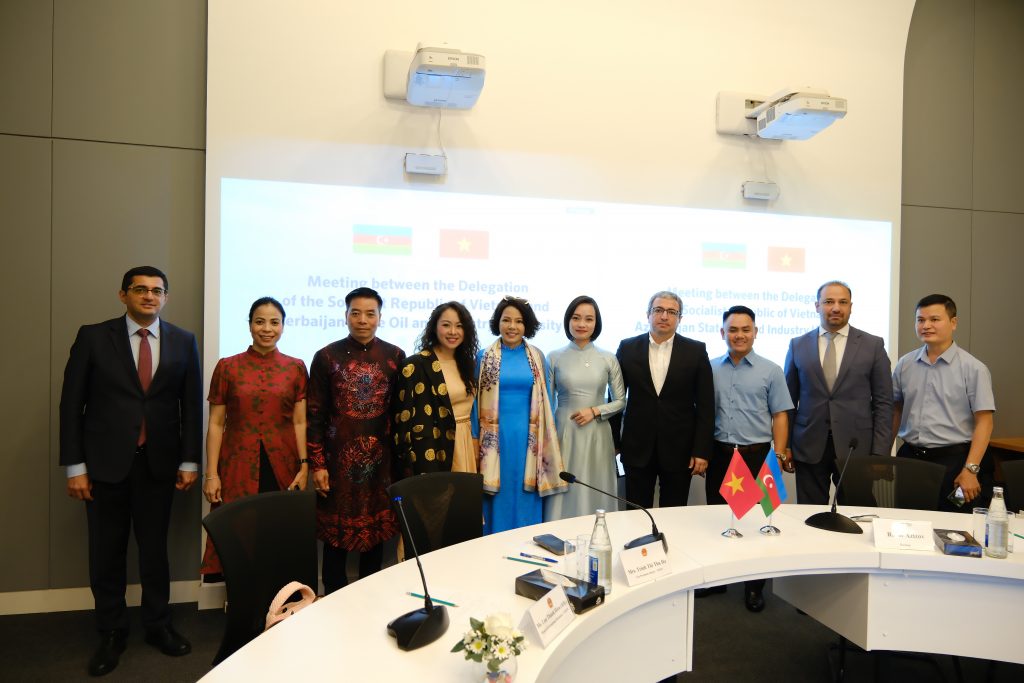
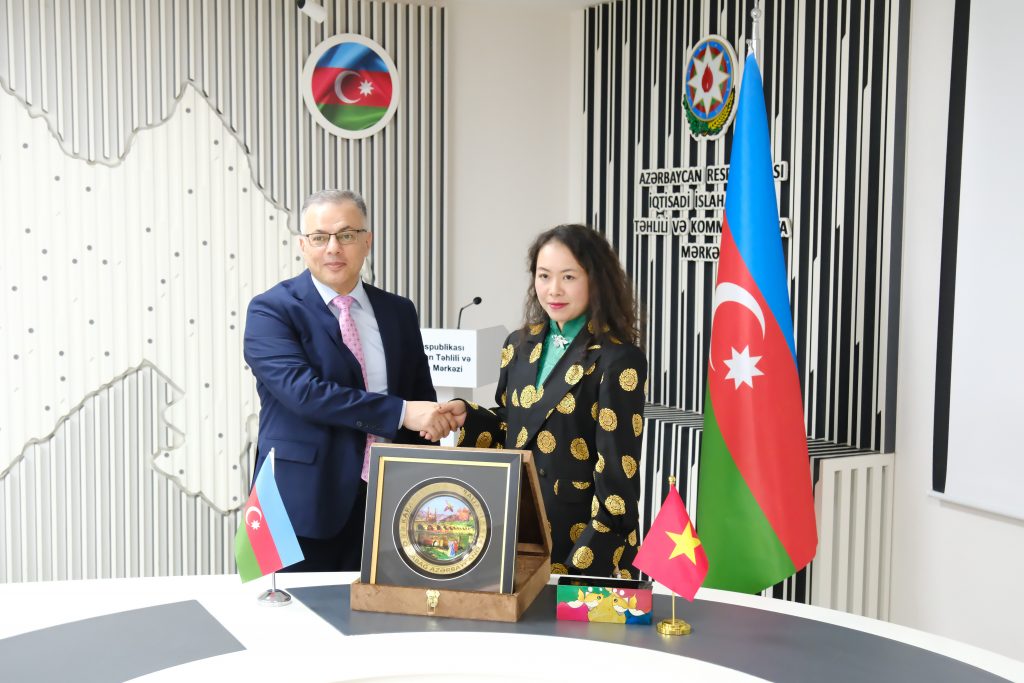
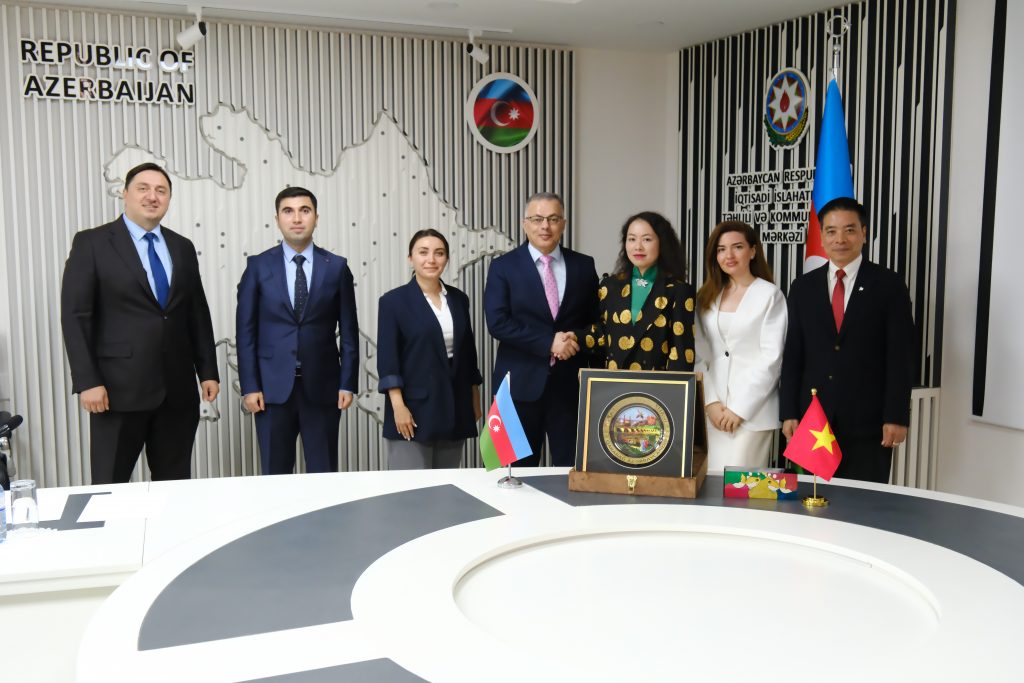
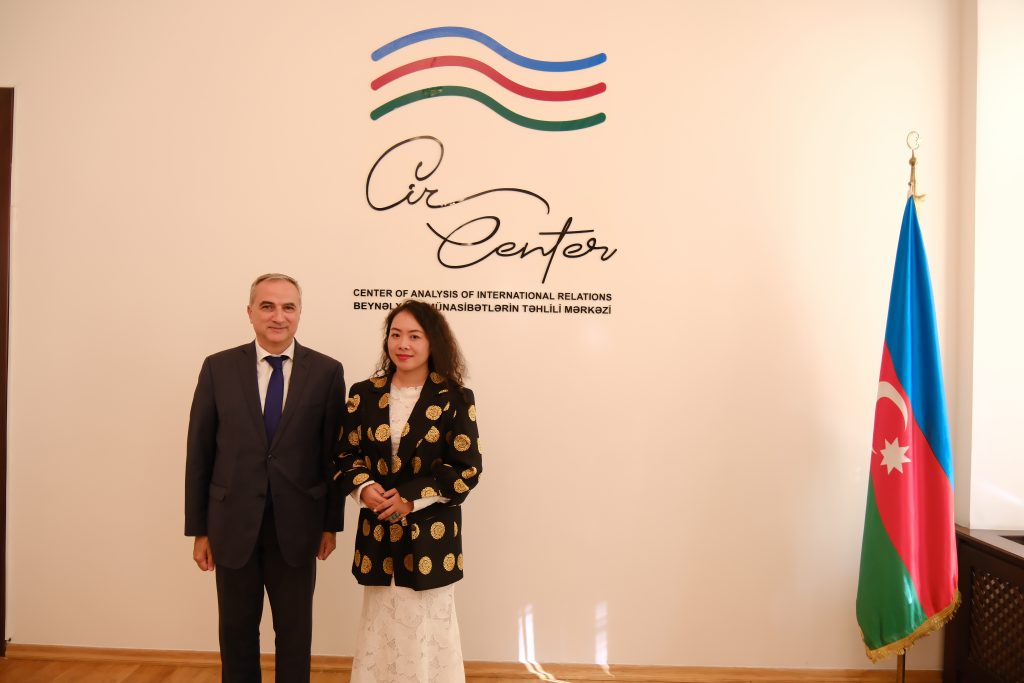
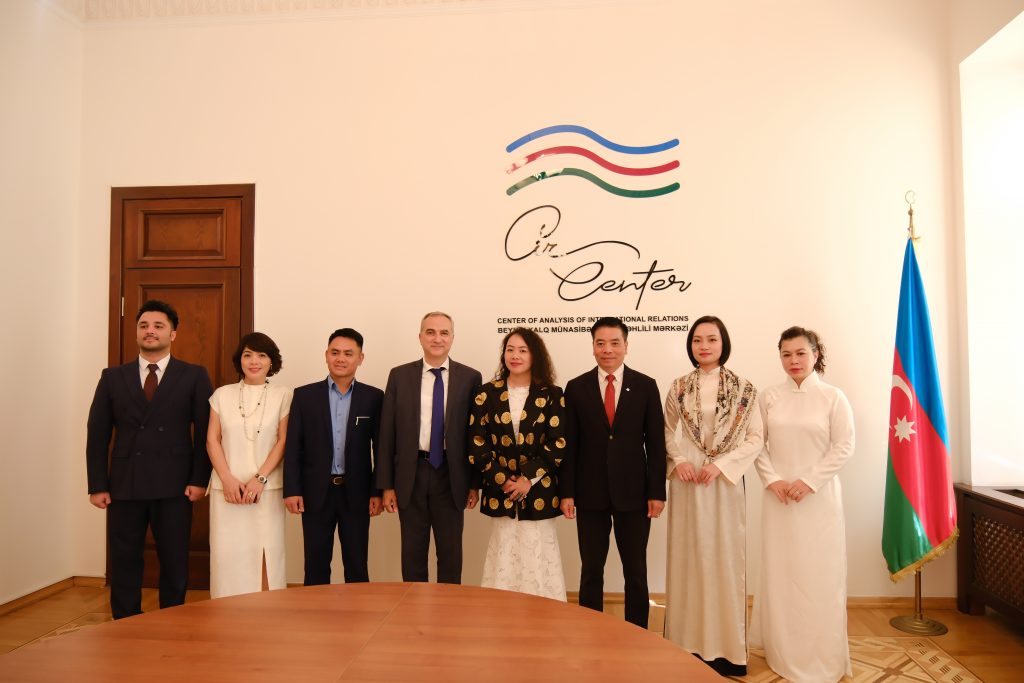
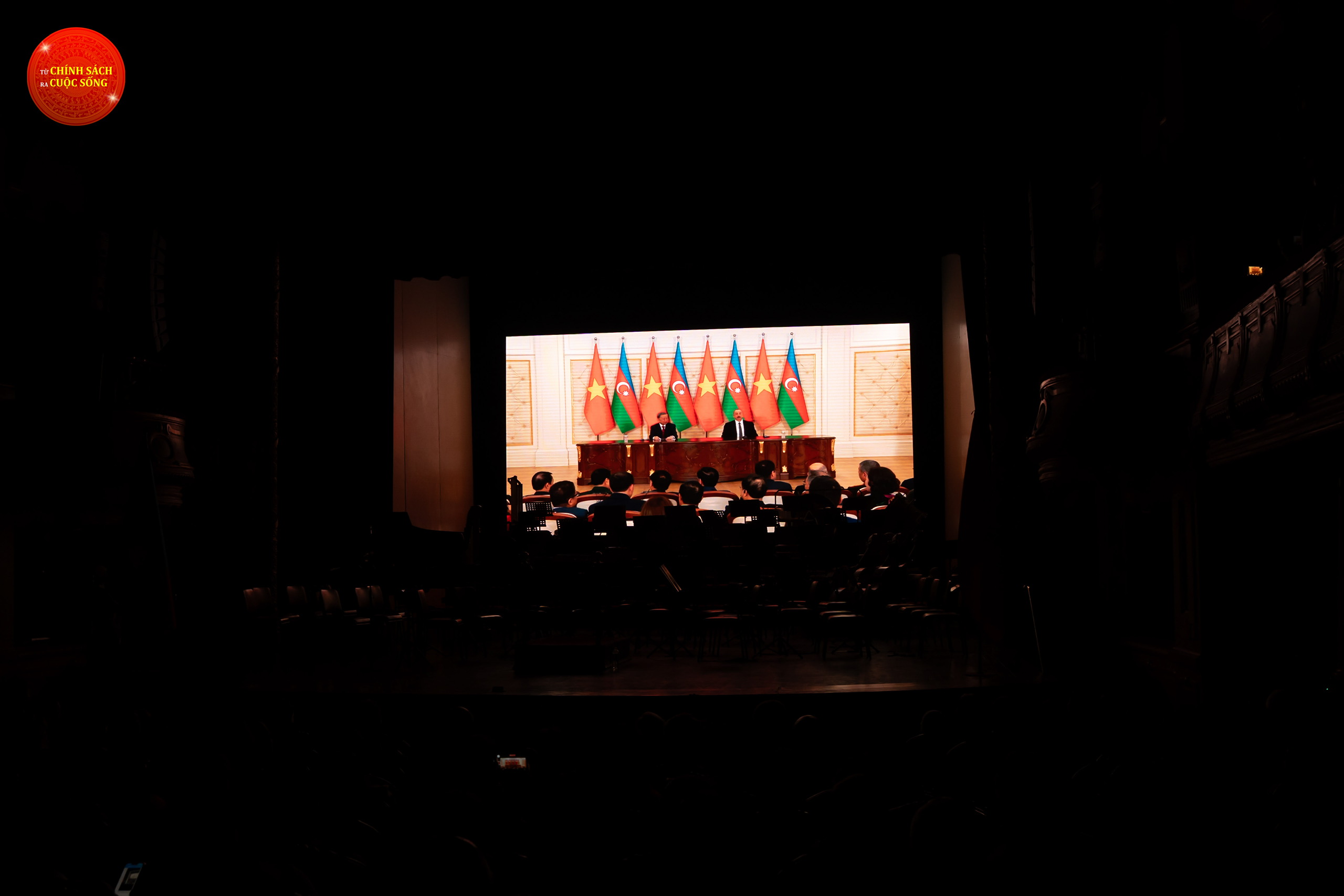
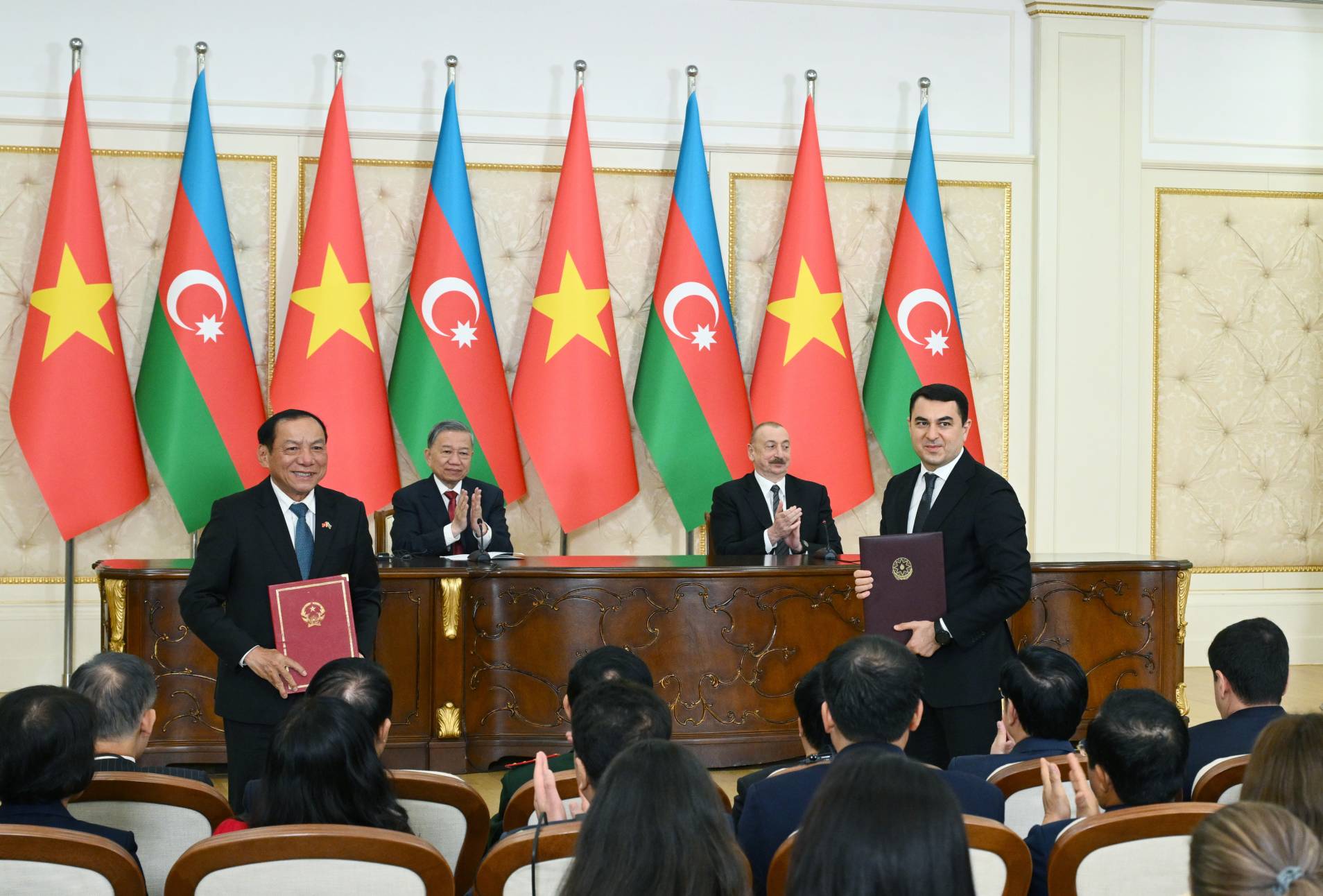
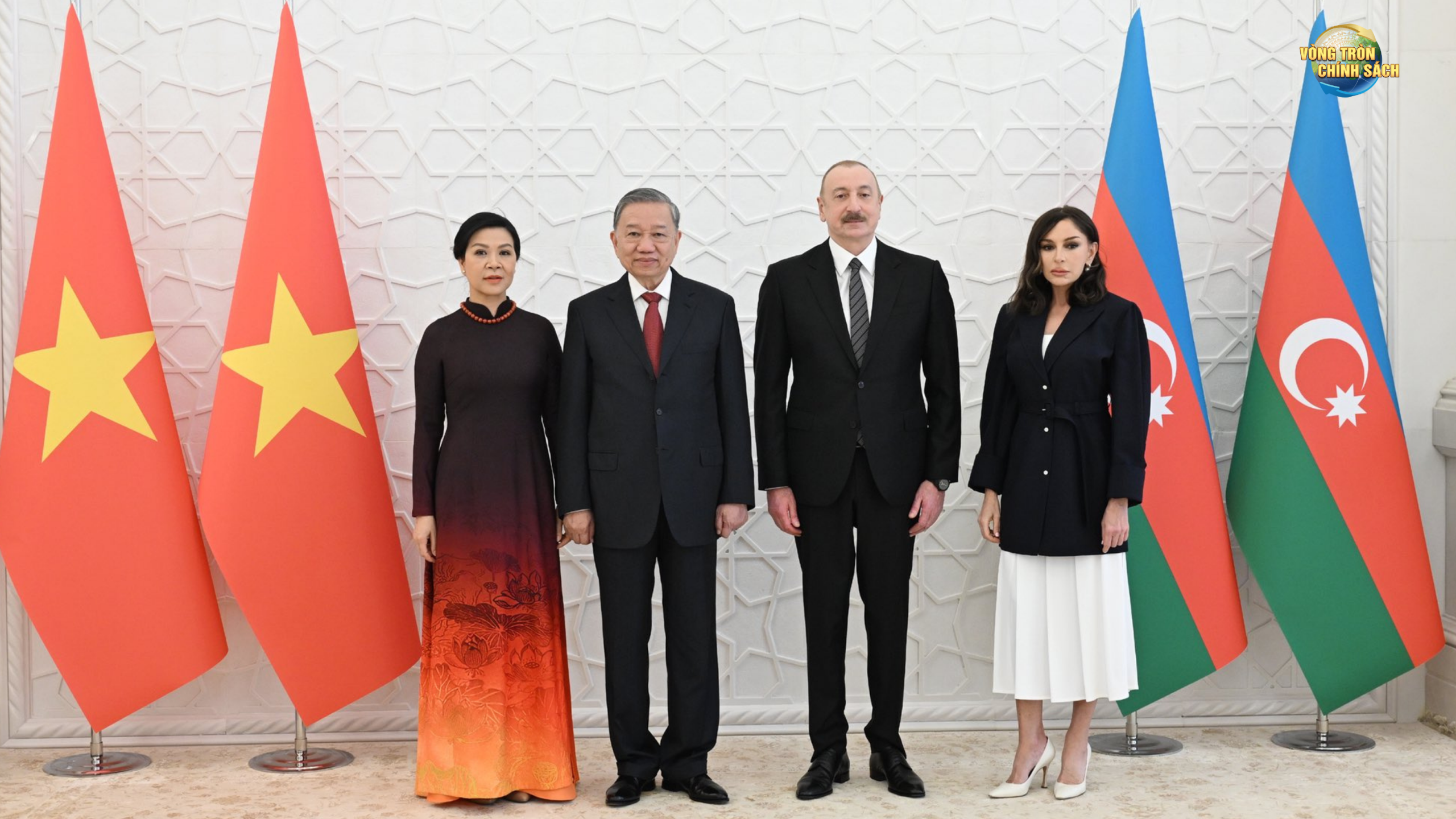
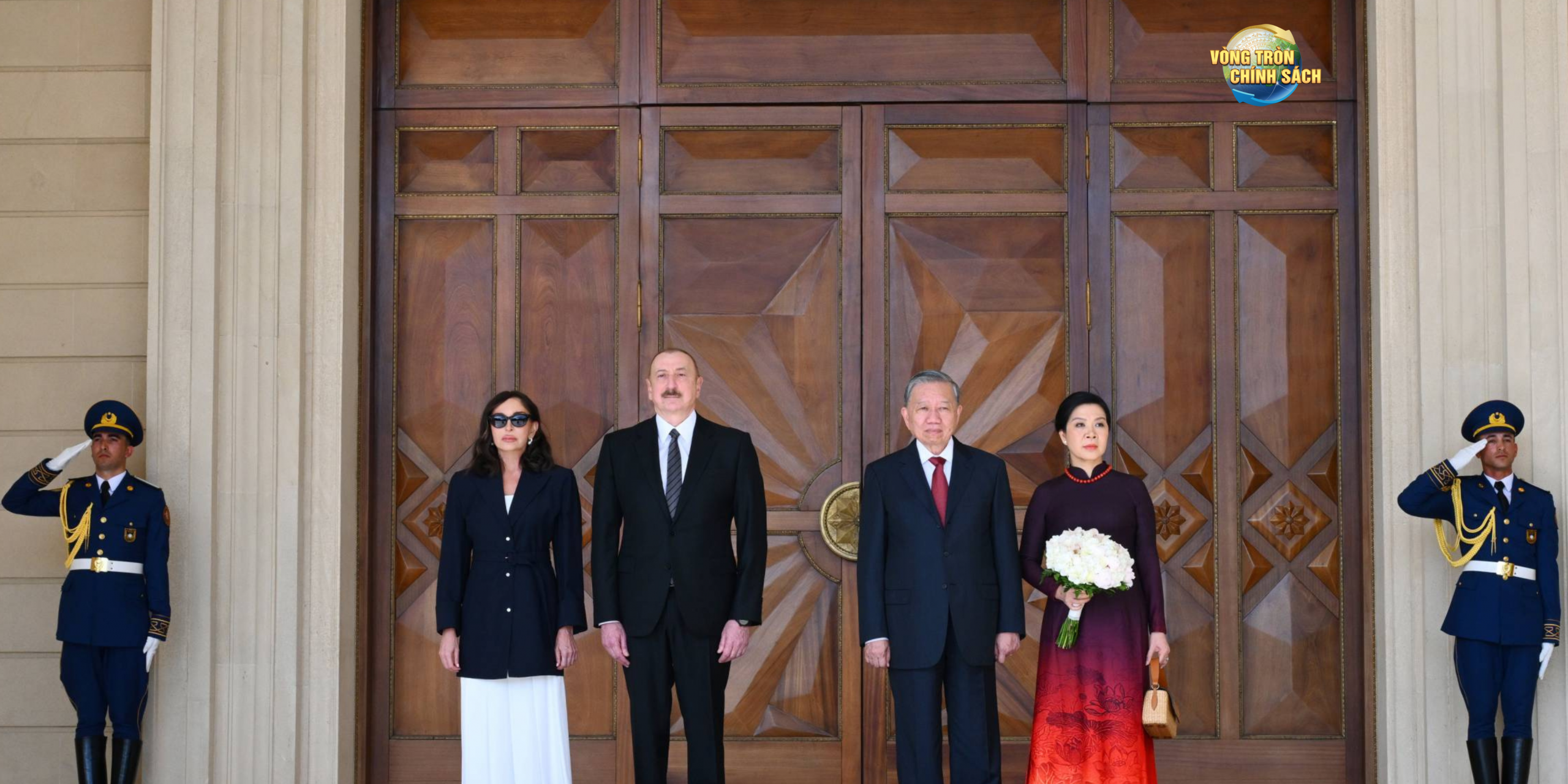
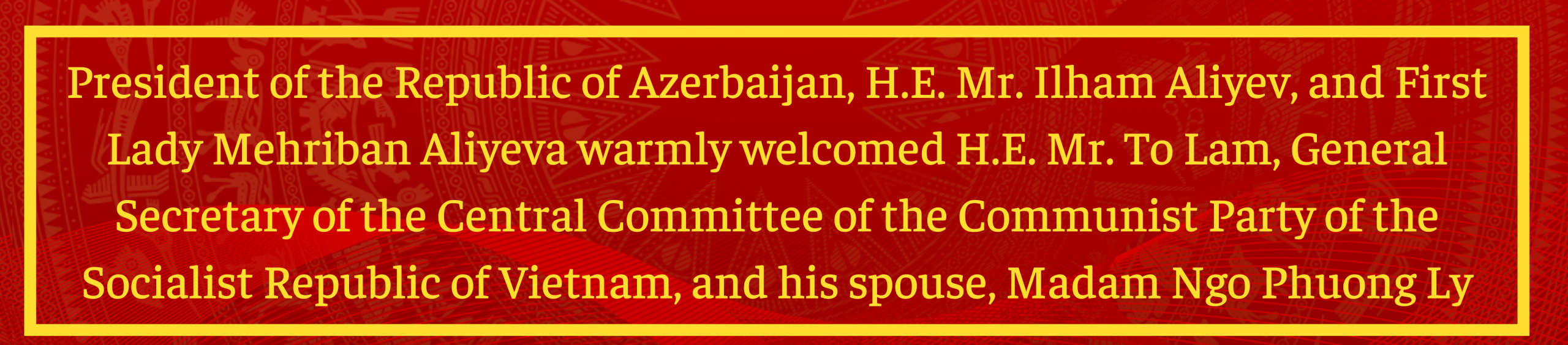
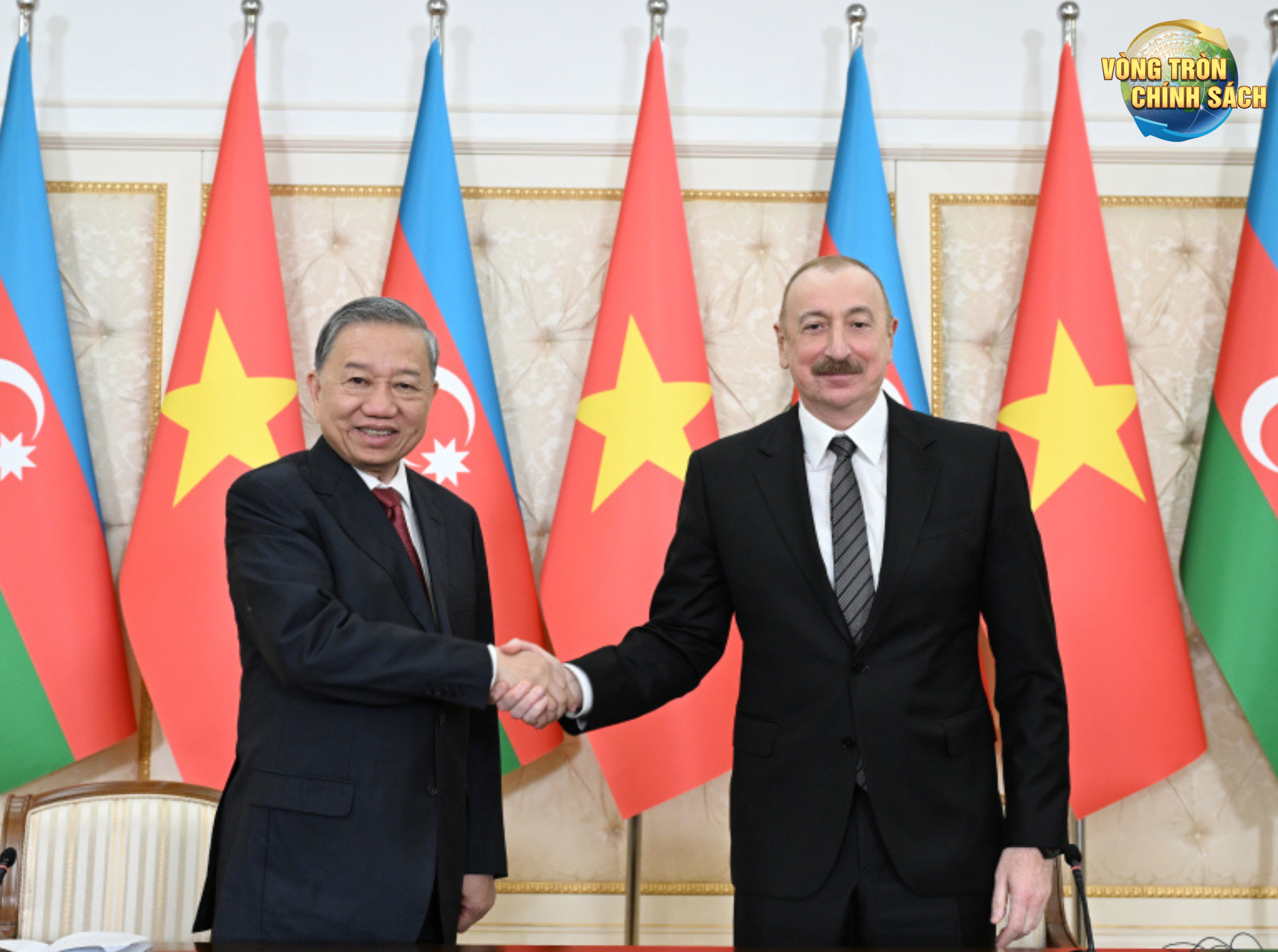
Within the framework of the State visit to the Republic of Azerbaijan in May 2025 by Comrade To Lam – Secretary General of the Central Committee of the Communist Party of Vietnam, President of Azerbaijan Ilham Aliyev and Comrade Secretary General To Lam signed the “Joint Declaration on the Establishment of a Strategic Partnership between the Republic of Azerbaijan and the Socialist Republic of Vietnam.”
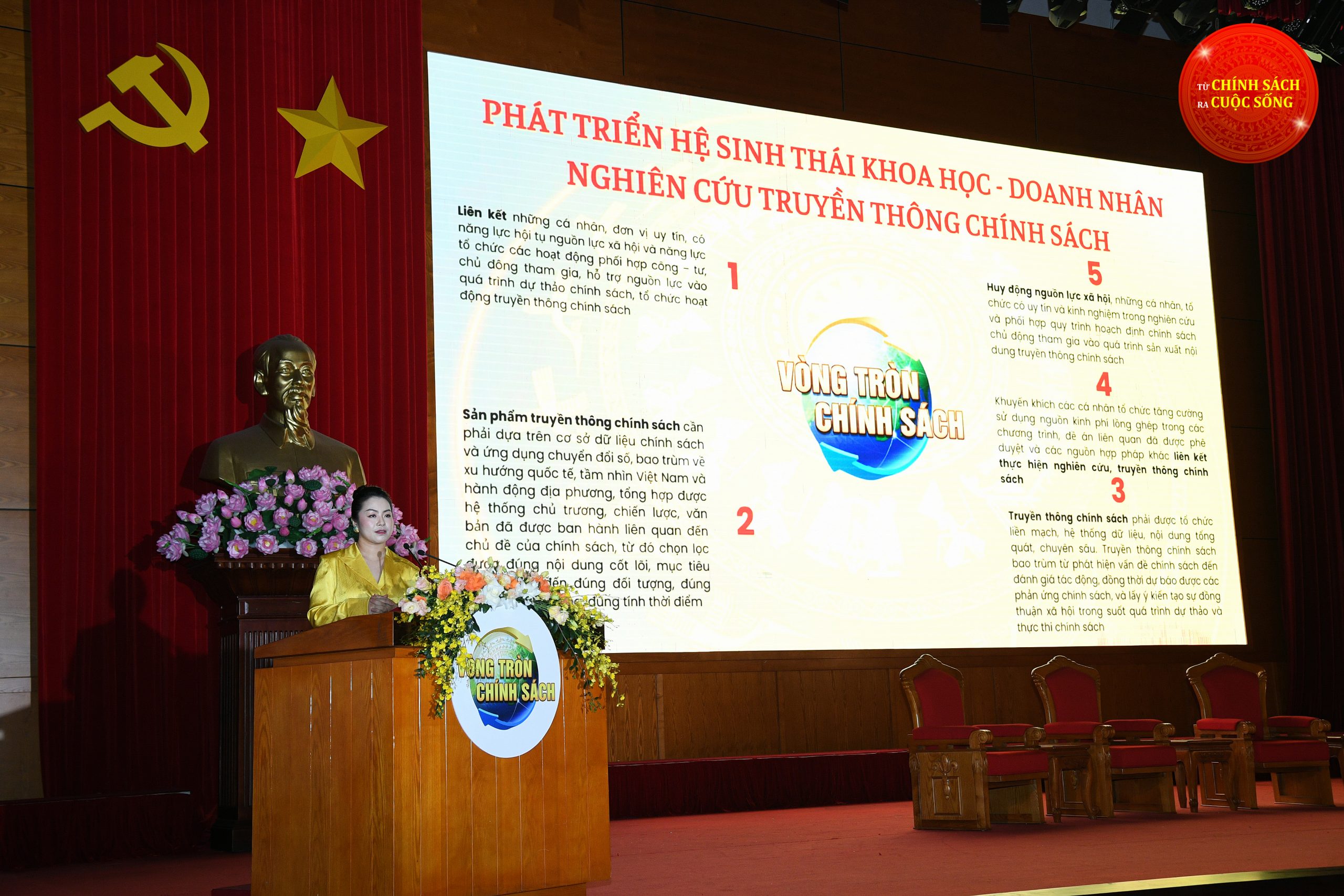
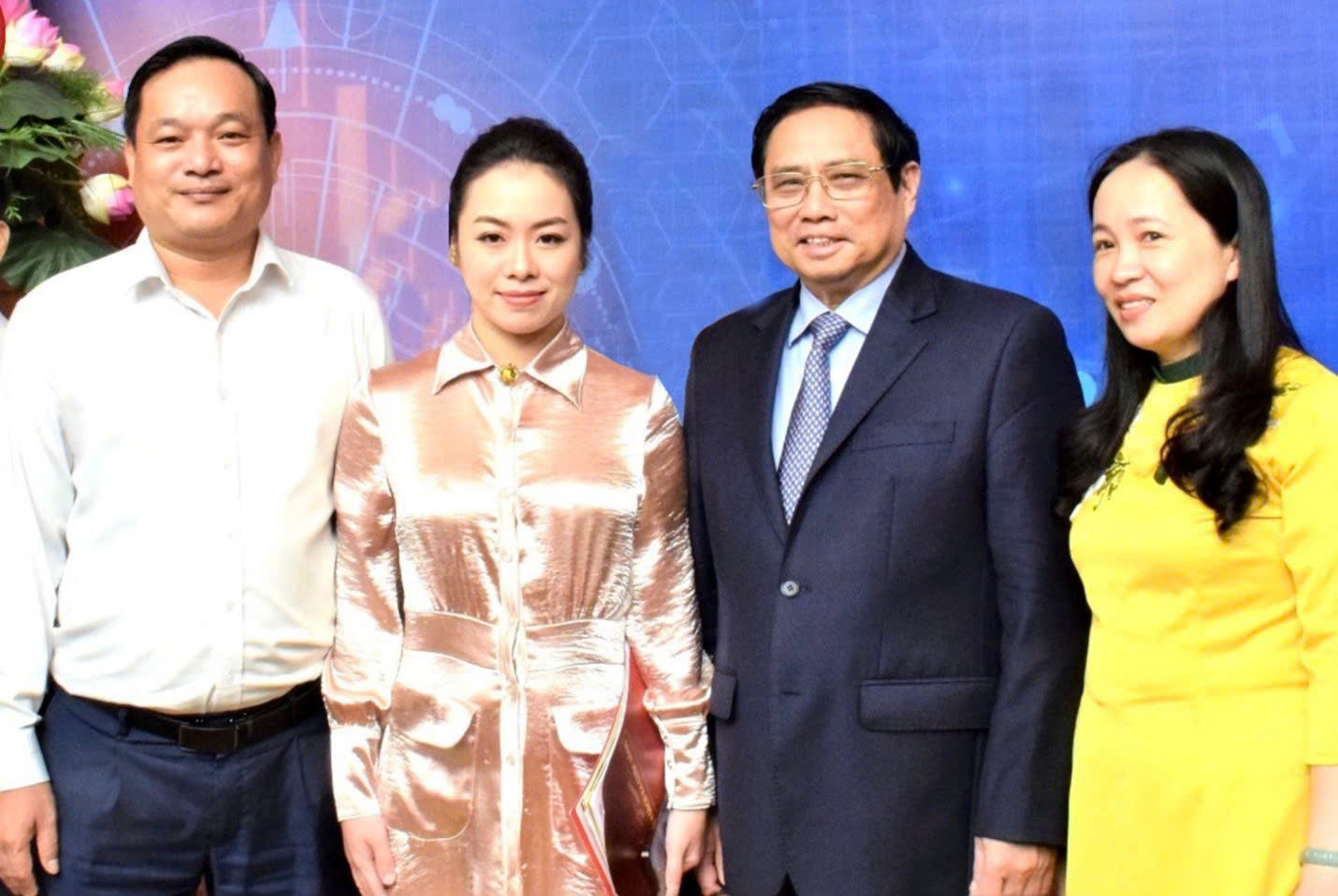
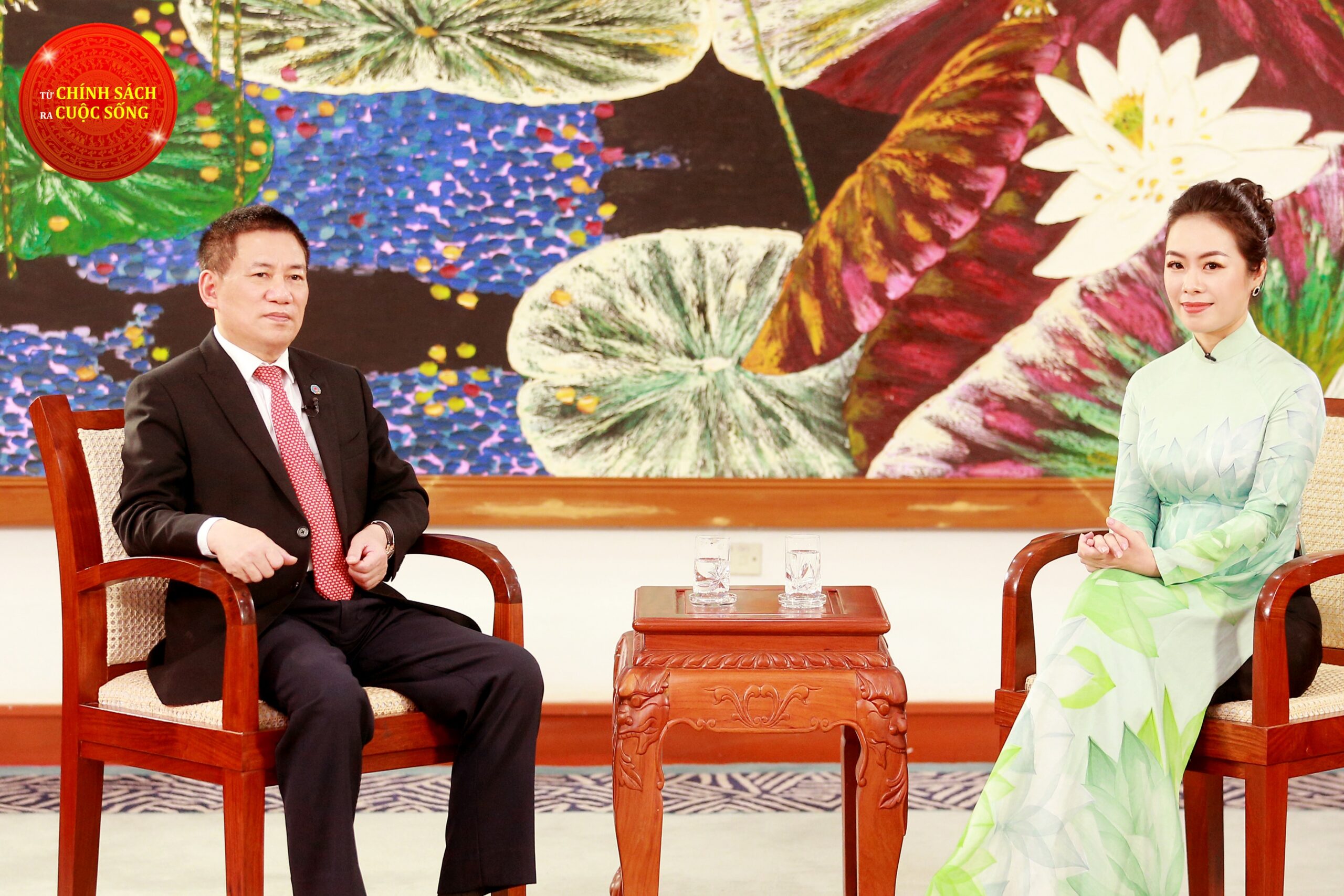
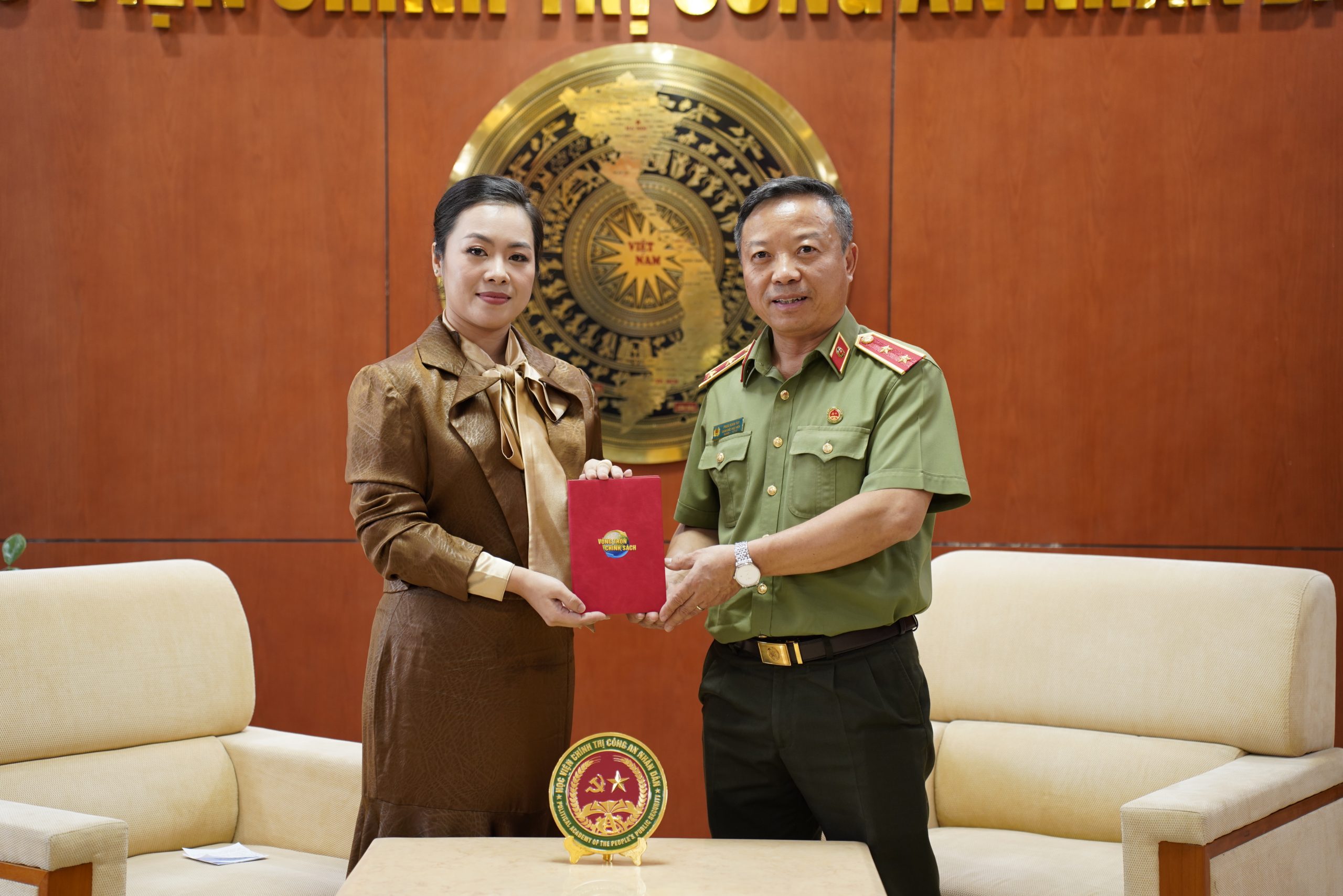
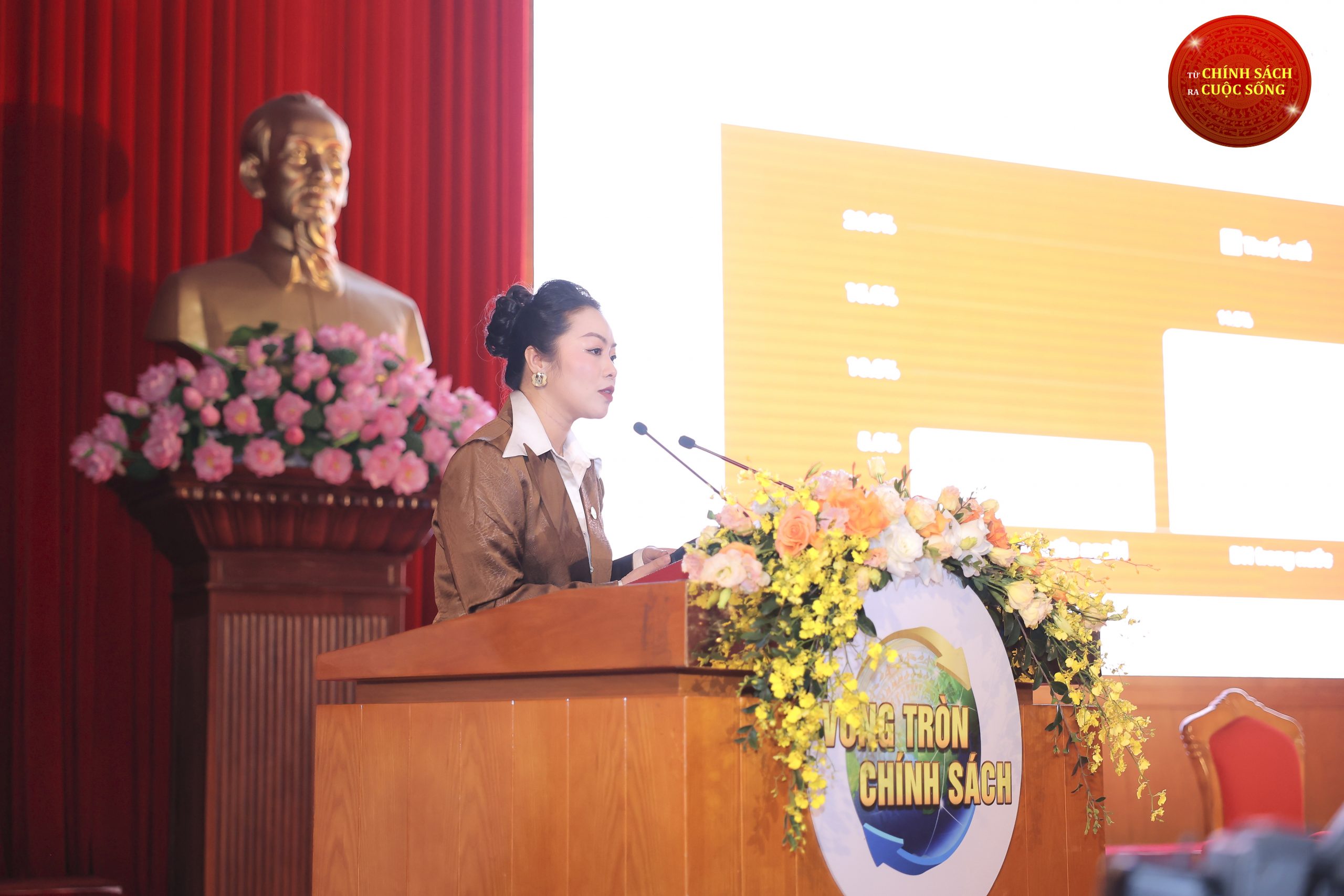
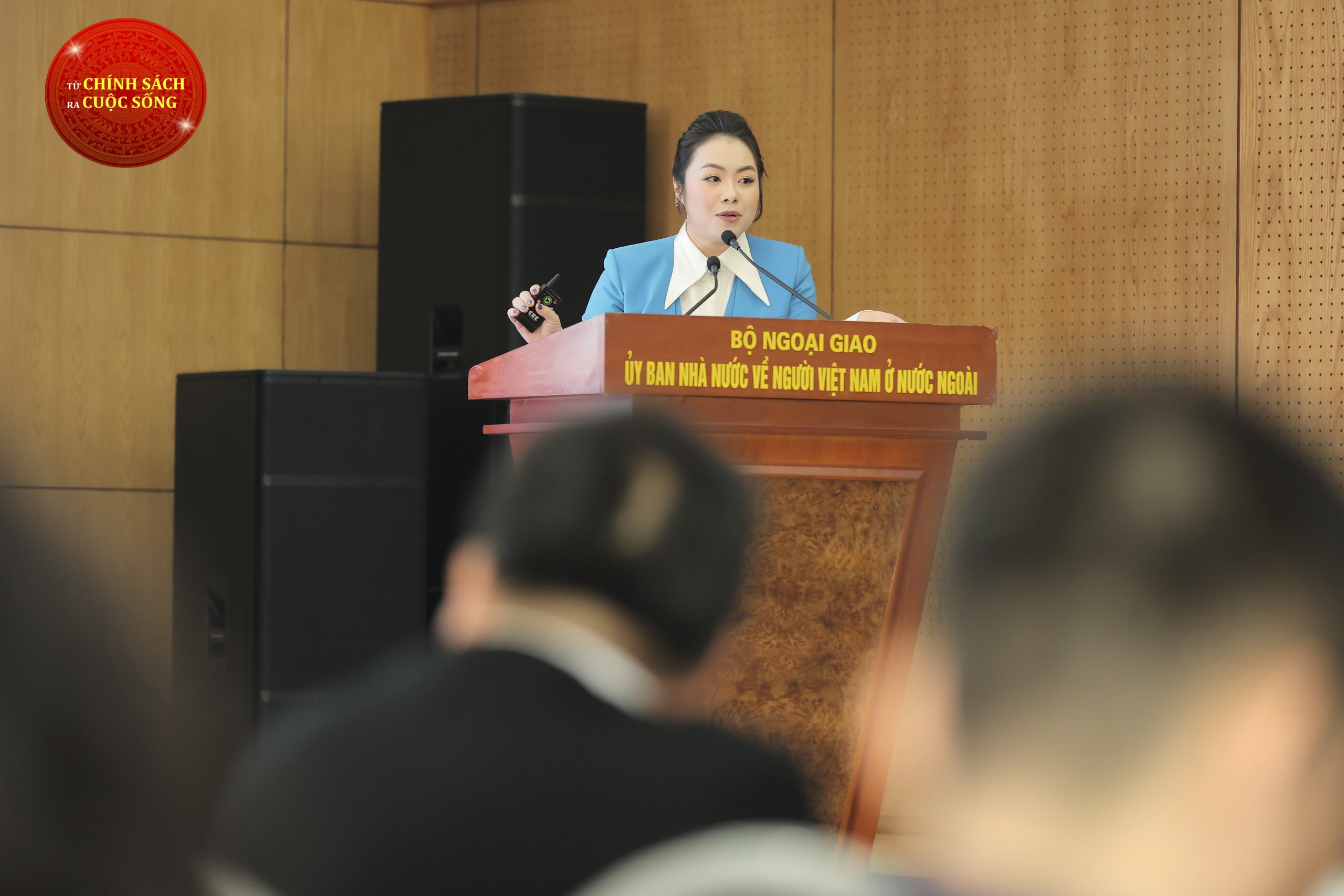
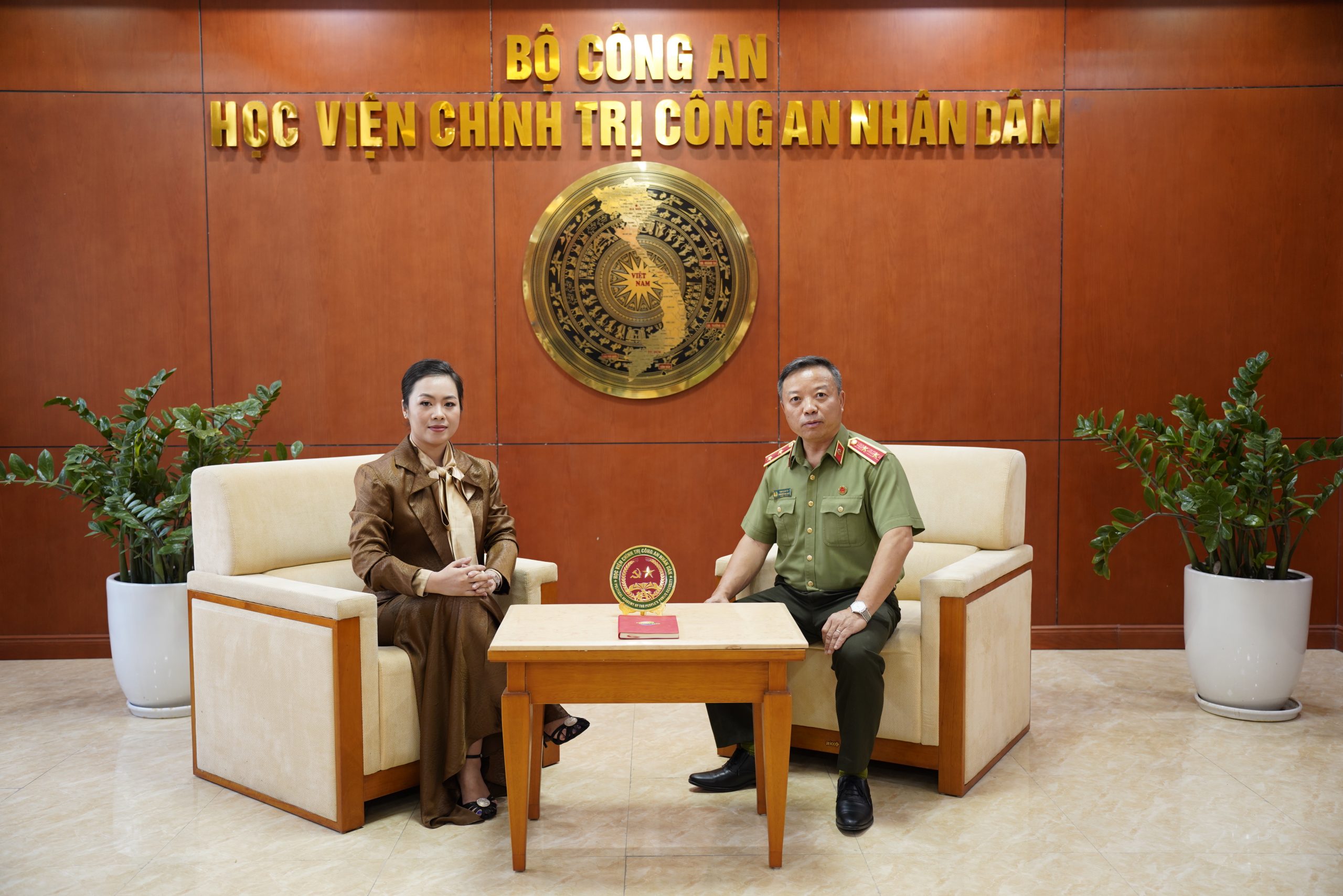
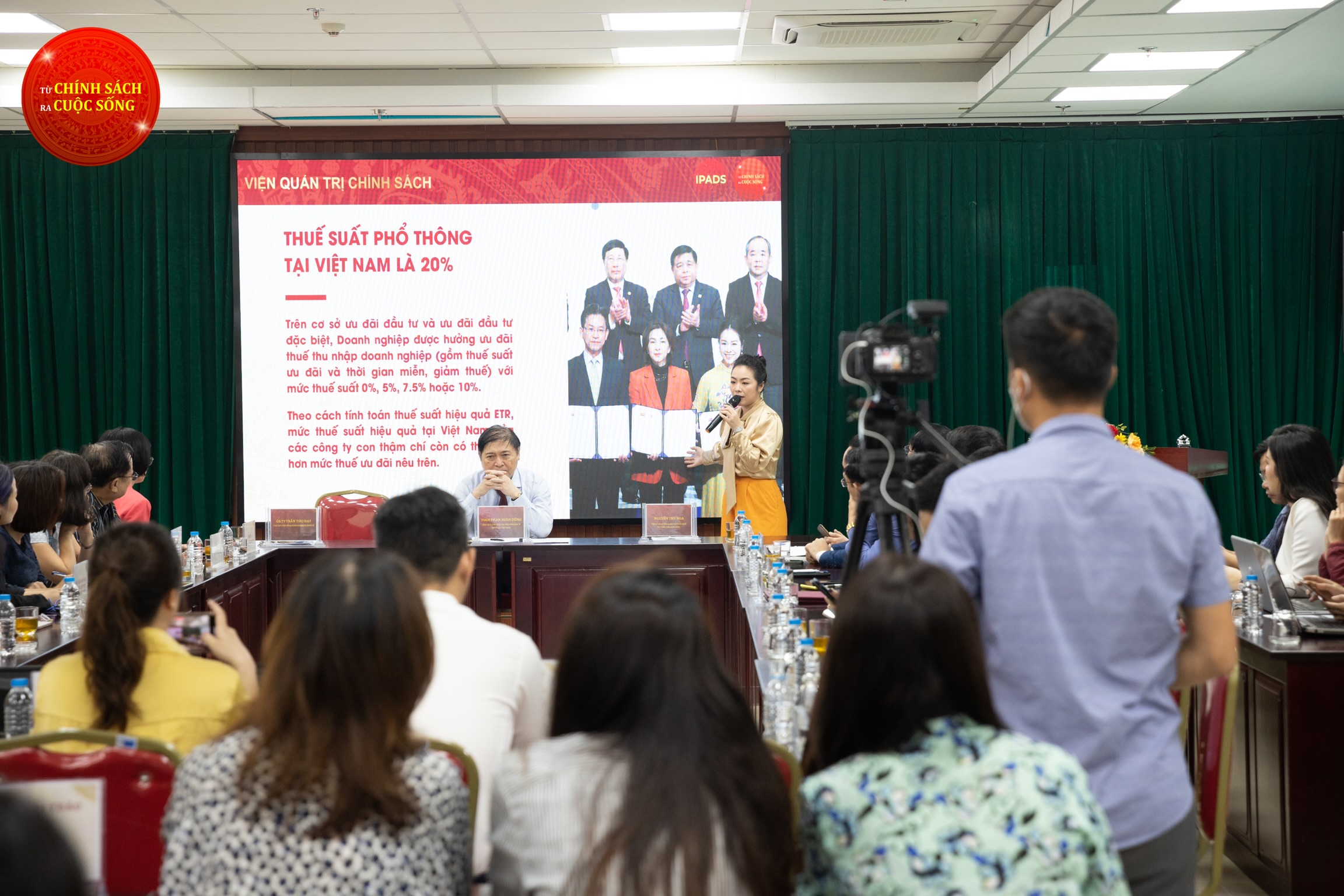
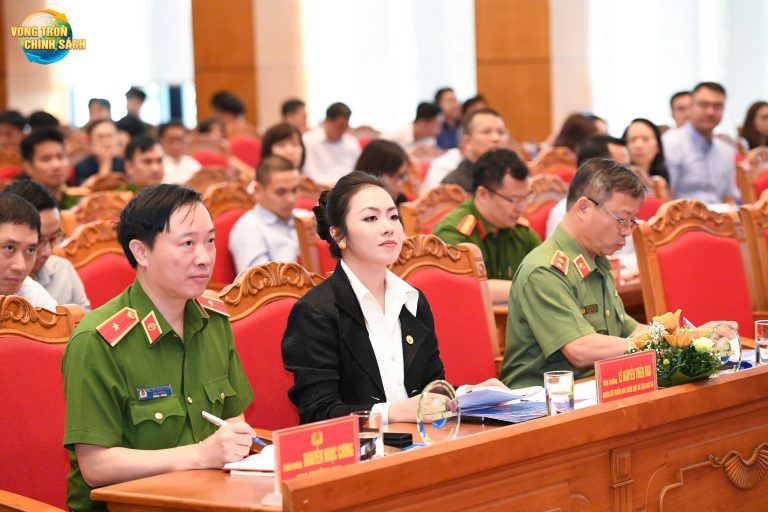
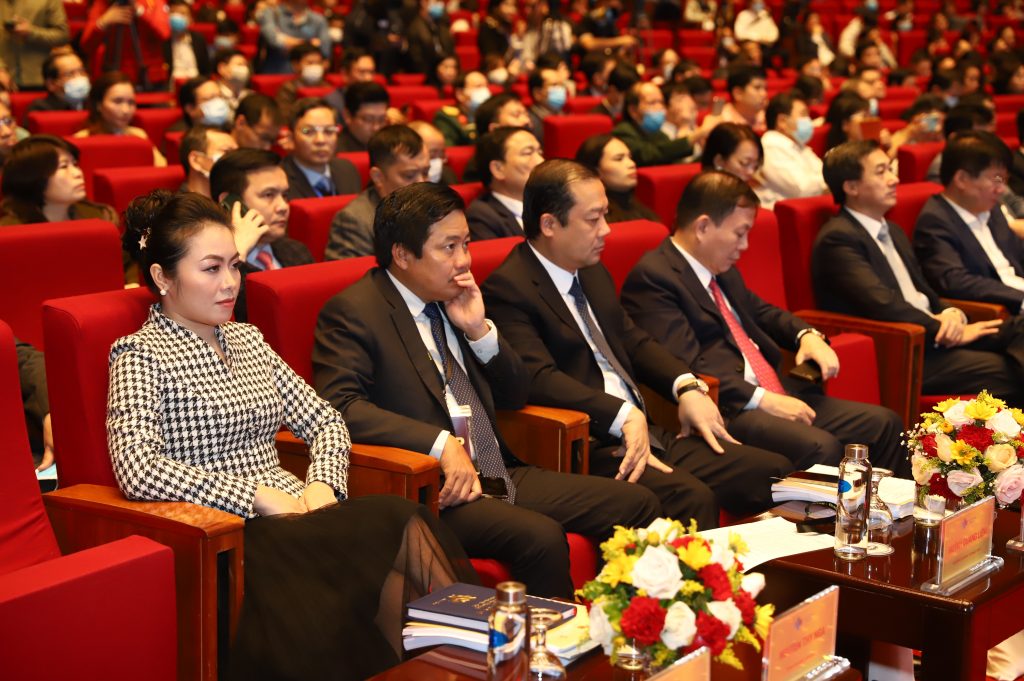
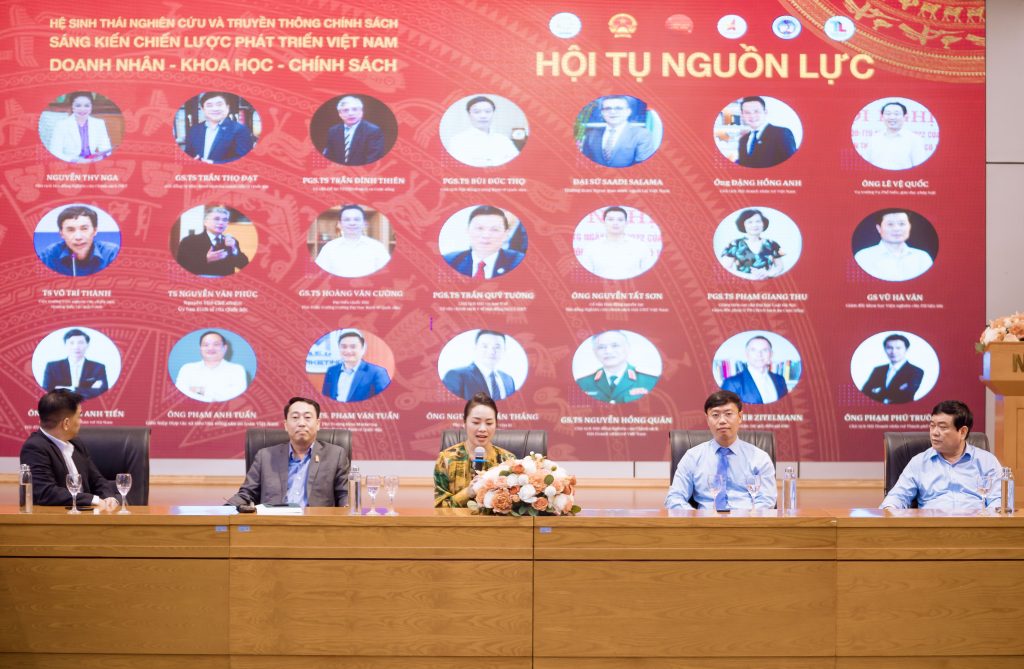
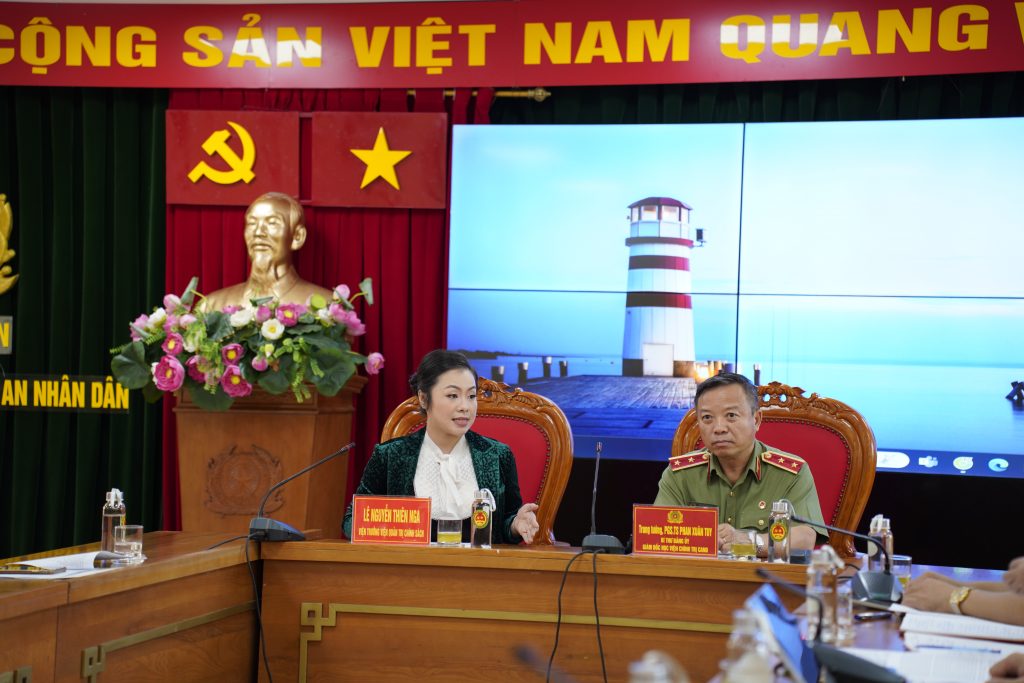
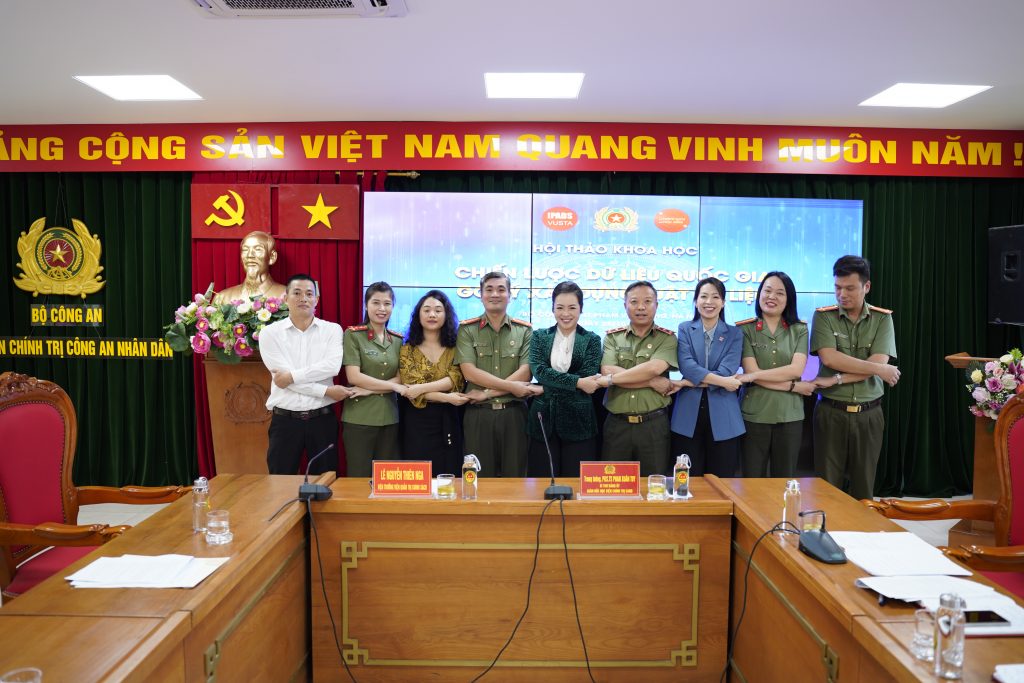
The Policy Governance Institute, the leading agency for the research project “From Policy to Life and Vietnam’s Development Strategy,” has closely collaborated with key Vietnamese institutions including the Ministry of Public Security, the State Bank, the Ministry of Science and Technology, the Ministry of Justice, and other relevant entities. Reports from this project, personally presented by Director Le Nguyen Thien Nga to the Party, State, and Government leaders of Vietnam over many years, have become a vital foundation for national policy decisions, including the National Data Strategy, the Global Tax Rate Strategy, the Strategy for Linking Knowledge and International Experts, the National Digital Transformation Policy, the Cultural Industry Development Strategy, and many other crucial policies.
To the Esteemed Leaders of the State Agencies of the Republic of Azerbaijan,
Vietnam’s national objective by 2030 is to join the ranks of the top 50 countries globally in e-Government development, building a stable and prosperous digital nation, while taking the lead in piloting innovative governance technologies and models. Vietnam aims to comprehensively reform government management and administration, business operations of enterprises, as well as the lifestyles and working methods of its people; develop a widespread digital environment nationwide; and establish competitive digital technology enterprises with global capabilities.
This development vision requires close cooperation among key sectors including ENTERPRISES – SCIENCE – CULTURE – ARTS – MEDIA, working together in research, policy formulation, consultation, and legal reform across all aspects of Vietnamese social life.
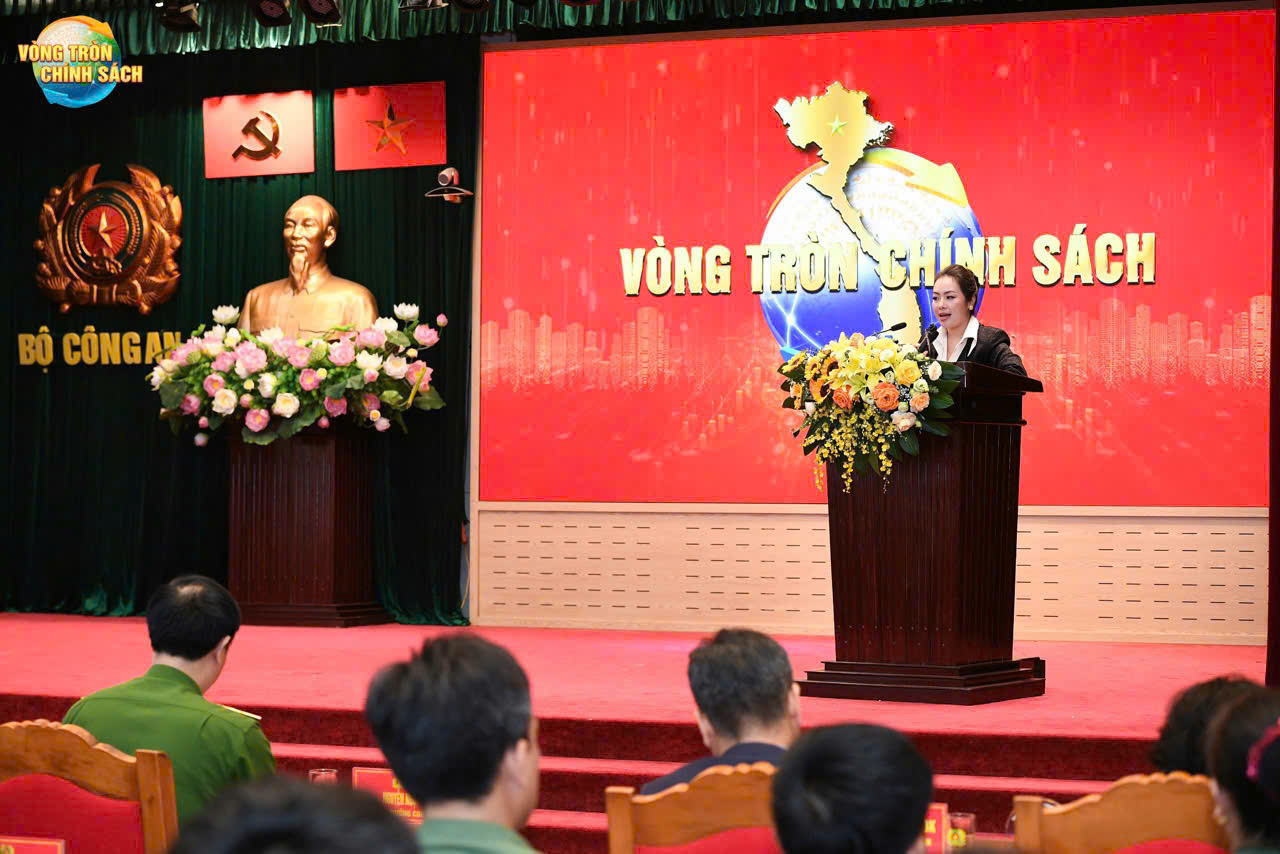
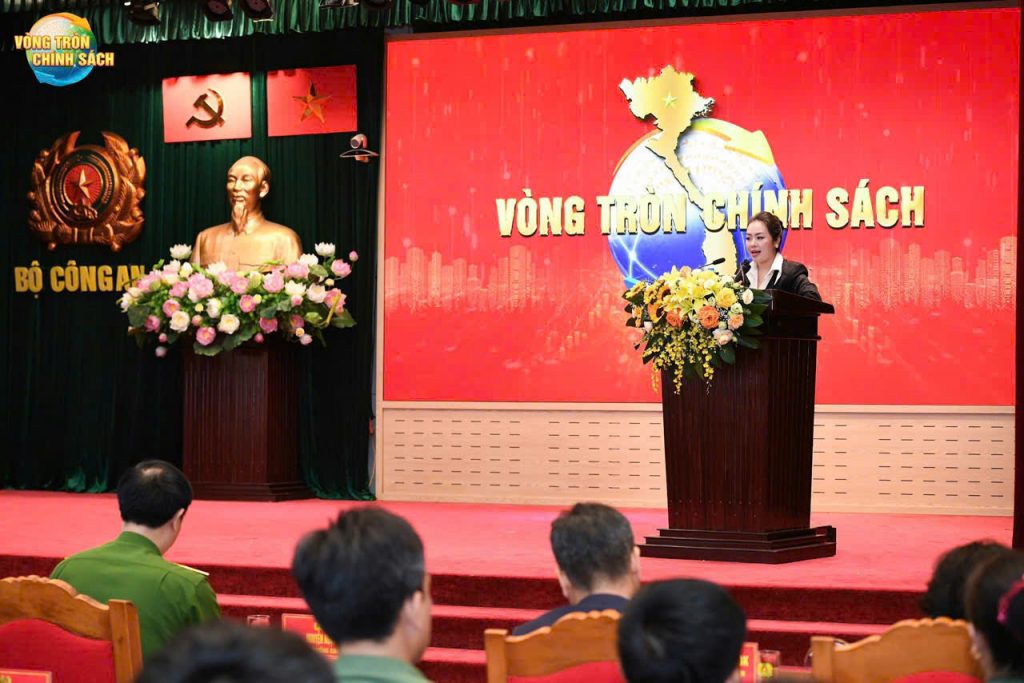
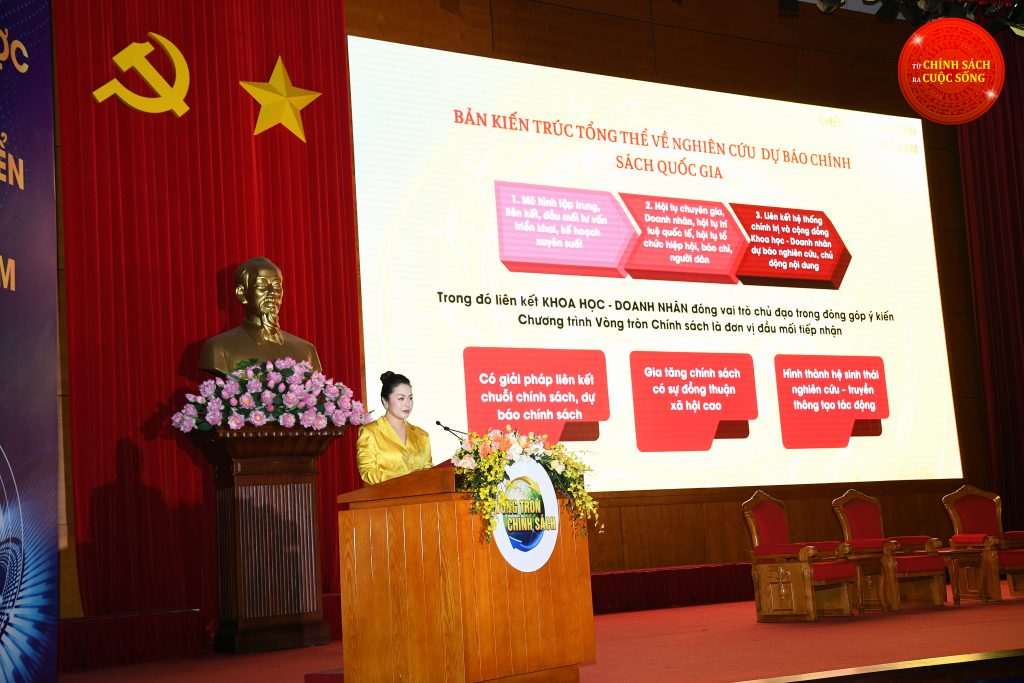
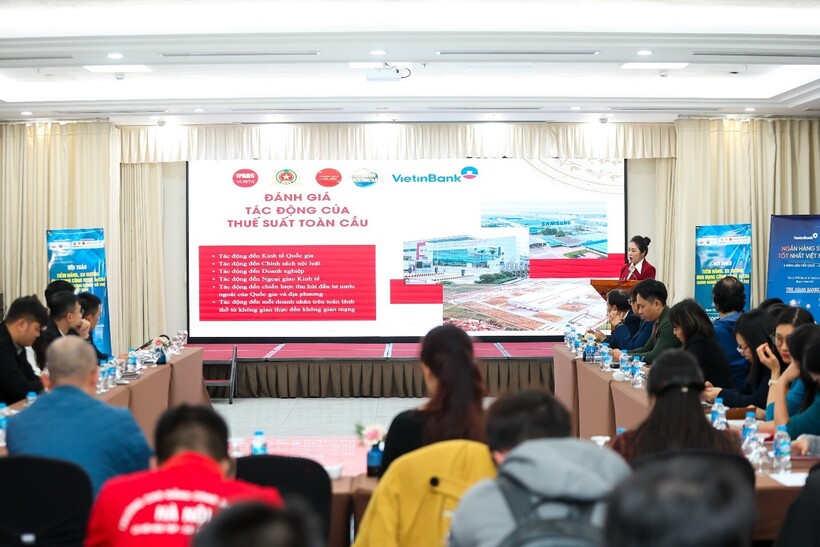
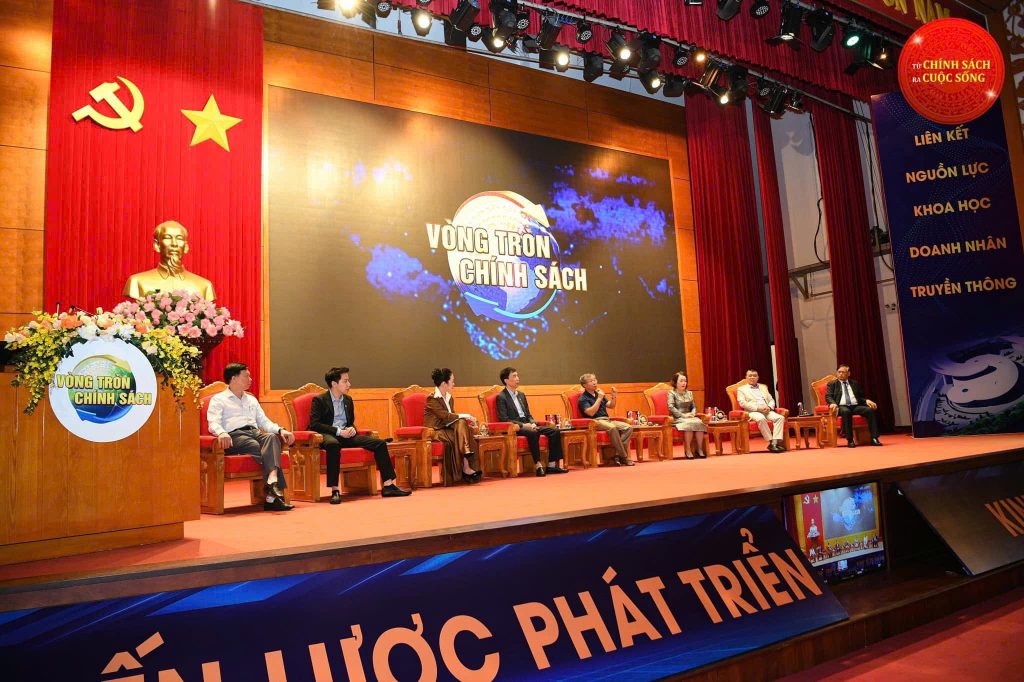
The Policy Governance Institute, in partnership with the Ministry of Science and Technology, the Ministry of Public Security, and the State Bank, is implementing the “Policy Circle” program series, which provides a comprehensive framework for the national science-policy architecture. This framework is grounded in innovation within Vietnam’s Development Strategy and leverages solutions for applying digital technology and digital transformation, aimed at mobilizing and pooling social resources to jointly build a prosperous and thriving Vietnam.
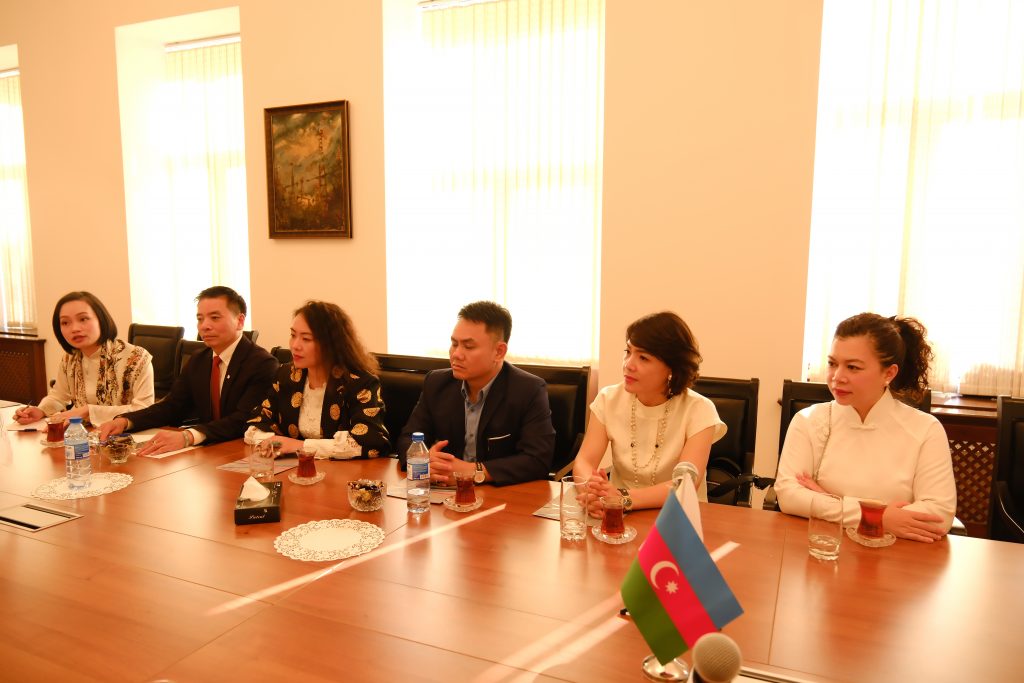
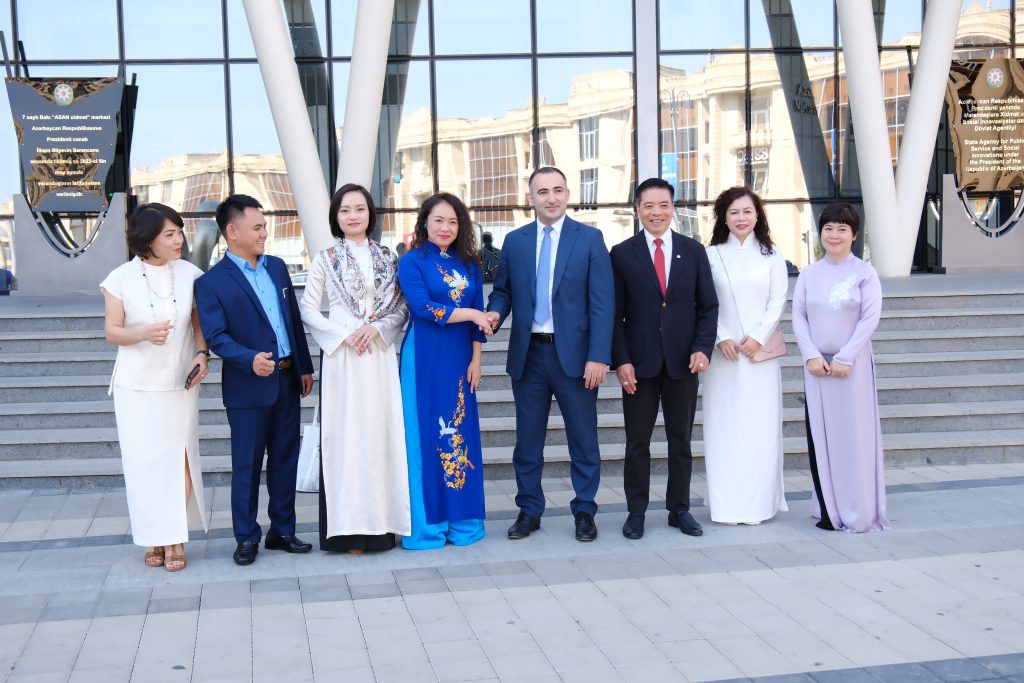
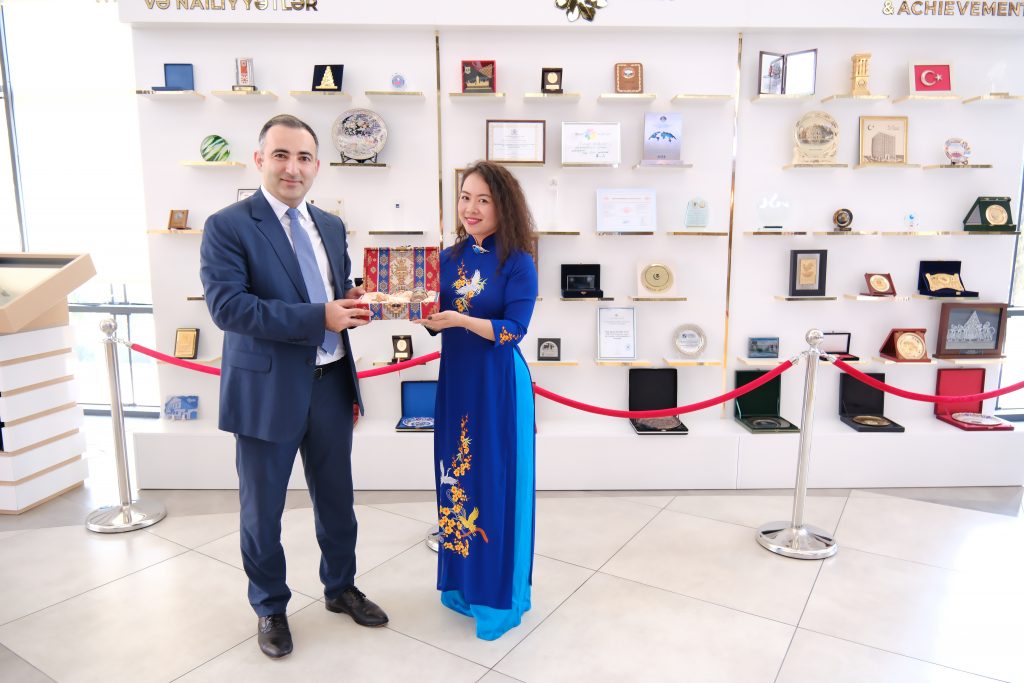
We are honored to visit your esteemed agencies in Azerbaijan and sincerely look forward to your sharing valuable insights and experiences. Together, we hope to foster development cooperation, strengthen a sustainable and robust partnership between VIETNAM and AZERBAIJAN, and collaboratively develop and implement bilateral training programs. We also warmly welcome your agencies to visit Vietnam at the earliest convenience.
2025-ci ilin may ayında, Vyetnam Kommunist Partiyasının Mərkəzi Komitəsinin Baş Katibi, cənab Tô Lâmın Azərbaycan Respublikasına rəsmi dövlət səfəri çərçivəsində, Azərbaycan Respublikasının Prezidenti İlham Əliyev və Baş Katib Tô Lâm, “Azərbaycan Respublikası ilə Vyetnam Sosialist Respublikası arasında Strateji Tərəfdaşlıq Münasibətlərinin Qurulması haqqında Birgə Bəyannamə”ni imzalamışlar.
Siyasət İdarəetmə İnstitutu, “Siyasətdən Həyata və Vyetnamın İnkişaf Strategiyası” adlı tədqiqat layihəsinin rəhbər qurumu kimi Daxili İşlər Nazirliyi, Mərkəzi Bank, Elm və Texnologiya Nazirliyi, Ədliyyə Nazirliyi və digər müvafiq dövlət qurumları ilə sıx əməkdaşlıq edir. Layihə çərçivəsində hazırlanmış strateji hesabatlar, institutun rəhbəri Lê Nguyễn Thiên Nga tərəfindən illər ərzində Partiya, Dövlət və Hökumət rəhbərlərinə birbaşa təqdim edilmiş və Milli Məlumat Strategiyası, Qlobal Vergi Dərəcəsi Strategiyası, Beynəlxalq Bilik və Ekspert Əlaqələri Strategiyası, Milli Rəqəmsal Transformasiya Siyasəti, Mədəniyyət Sənayesi İnkişaf Strategiyası və digər mühüm siyasətlərin formalaşmasında əsas baza olmuşdur.
Hörmətli Azərbaycan Respublikası Dövlət Qurumlarının Rəhbərlərinə,
Vyetnamın 2030-cu il üzrə milli məqsədi – dünya üzrə ilk 50 ölkə arasında elektron hökumət sahəsində yer almaq, sabit və rifahlı rəqəmsal dövlət qurmaq və idarəetmədə yenilikçi texnologiya və modellərin tətbiqində pioner olmaqdır. Bu istiqamətdə Hökumətin idarəetmə və inzibati fəaliyyətləri, şirkətlərin biznes prosesləri, vətəndaşların yaşayış və iş vərdişləri tam şəkildə yenidən qurulacaq; ölkə üzrə vahid rəqəmsal mühit yaradılacaq və qlobal rəqabətə davamlı rəqəmsal texnologiya şirkətləri formalaşdırılacaq.
Bu inkişaf strategiyası, aşağıdakı sahələr arasında möhkəm qarşılıqlı əlaqə və əməkdaşlığı tələb edir:
ŞİRKƏTLƏR – ELM – MƏDƏNİYYƏT – İNCƏSƏNƏT – KİTLE İNFORMASİYA VASİTƏLƏRİ (KİV). Bu sahələr birlikdə tədqiqat, siyasətlərin hazırlanması, təhlil və hüquqi islahatlar istiqamətində fəaliyyət göstərməlidir.
Siyasət İdarəetmə İnstitutu, Elm və Texnologiya Nazirliyi, Daxili İşlər Nazirliyi və Mərkəzi Bank ilə birgə olaraq “Siyasət Dairəsi” proqramlar silsiləsini həyata keçirir. Bu proqram ölkə üzrə elmi və siyasət arxitekturasının ümumi strukturunu təqdim edir. O, Vyetnamın inkişaf strategiyasına əsaslanan innovasiyalar, rəqəmsal texnologiyaların tətbiqi və rəqəmsal transformasiya həlləri üzərində qurulmuşdur. Məqsəd – sosial resursların səfərbər olunması və firavan, dayanıqlı bir Vyetnamın birgə qurulmasıdır.
Biz, Azərbaycan Respublikasının hörmətli qurumlarını ziyarət etməkdən böyük məmnuniyyət duyuruq və dəyərli ideya və təcrübələrinizi bölüşəcəyinizə ümid edirik. Bununla yanaşı, VIETNAM – AZƏRBAYCAN arasında davamlı və güclü tərəfdaşlığın inkişaf etdirilməsi, ikitərəfli təlim və inkişaf proqramlarının qurulması üçün əməkdaşlıq etməyə hazırıq. Eyni zamanda, Azərbaycan tərəfini yaxın zamanda Vyetnamda salamlamaqdan da məmnun olarıq.
 Thank you!
Chokh sag olun!
Trân trọng cảm ơn!
Trong khuôn khổ chuyến thăm cấp Nhà nước tới Cộng hòa Azerbaijan vào tháng 5 năm 2025 của đồng chí Tô Lâm – Tổng Bí thư Ban Chấp hành Trung ương Đảng Cộng sản Việt Nam, Tổng thống Azerbaijan Ilham Aliyev và đồng chí Tổng Bí thư Tô Lâm đã ký kết “Tuyên bố chung về việc thiết lập Quan hệ Đối tác Chiến lược giữa Cộng hòa Azerbaijan và Cộng hòa Xã hội Chủ nghĩa Việt Nam”.
Viện Quản trị Chính sách, đơn vị chủ trì Đề án nghiên cứu “Từ Chính sách ra Cuộc sống và Chiến lược phát triển Việt Nam”, phối hợp chặt chẽ với các cơ quan đầu ngành của Việt Nam như Bộ Công an, Ngân hàng Nhà nước, Bộ Khoa học và Công nghệ, Bộ Tư pháp cùng các đơn vị liên quan. Các báo cáo của Đề án do Viện trưởng Lê Nguyễn Thiên Nga trực tiếp trình bày trước Lãnh đạo Đảng, Nhà nước và Chính phủ Việt Nam trong nhiều năm qua đã trở thành nền tảng quan trọng cho các quyết sách quốc gia, bao gồm Chiến lược Dữ liệu Quốc gia, Chiến lược Thuế suất Toàn cầu, Chiến lược Liên kết Tri thức và Chuyên gia Quốc tế, Chính sách Chuyển đổi số Toàn dân, Chiến lược phát triển Công nghiệp Văn hóa và nhiều chính sách trọng yếu khác.
Kính gửi Lãnh đạo các Quý cơ quan Nhà nước Cộng hòa Azerbaijan,
Mục tiêu quốc gia của Việt Nam đến năm 2030 là gia nhập nhóm 50 quốc gia dẫn đầu thế giới về Chính phủ điện tử, xây dựng quốc gia số ổn định, thịnh vượng, đồng thời tiên phong trong việc thử nghiệm các công nghệ và mô hình quản trị đổi mới. Việt Nam hướng tới đổi mới toàn diện công tác quản lý, điều hành của Chính phủ, hoạt động sản xuất kinh doanh của doanh nghiệp, cùng phương thức sống và làm việc của người dân; phát triển môi trường số rộng khắp trên toàn quốc và hình thành các doanh nghiệp công nghệ số có năng lực cạnh tranh toàn cầu.
Định hướng phát triển này đòi hỏi sự liên kết chặt chẽ giữa các chủ thể gồm DOANH NGHIỆP – KHOA HỌC – VĂN HÓA – NGHỆ THUẬT – TRUYỀN THÔNG, đồng hành cùng nhau trong nghiên cứu, xây dựng và góp ý chính sách, cũng như kiến tạo các cải cách pháp lý trên mọi lĩnh vực của đời sống xã hội Việt Nam.
Viện Quản trị Chính sách phối hợp với Bộ Khoa học và Công nghệ, Bộ Công an, Ngân hàng Nhà nước triển khai chuỗi chương trình “Vòng tròn Chính sách” với cấu trúc tổng thể bản kiến trúc khoa học chính sách quốc gia, dựa trên nền tảng đổi mới sáng tạo trong Chiến lược phát triển Việt Nam và các giải pháp ứng dụng công nghệ số và chuyển đổi số, nhằm huy động và tập hợp nguồn lực xã hội chung tay xây dựng đất nước Việt Nam phồn vinh, thịnh vượng.
Chúng tôi vui mừng được đến thăm các Quý cơ quan tại Azerbaijan và trân trọng mong nhận được sự chia sẻ những tư tưởng, bài học kinh nghiệm quý báu từ Quý cơ quan, đồng thời cùng đồng hành thúc đẩy hợp tác phát triển, góp phần tăng cường quan hệ đối tác bền vững và mạnh mẽ giữa VIỆT NAM – AZERBAIJAN, xây dựng và triển khai các chương trình đào tạo song phương. Chúng tôi cũng sẵn sàng đón tiếp Quý cơ quan tại Việt Nam trong thời gian sớm nhất.