The path to Vietnam’s energy self-sufficiency will rely on continued advances in science and technology for greater domestic production.
By MS. LE NGUYEN THIEN NGA*
Energy Security in an Era of Geopolitical Uncertainty – Vietnam’s Strategic Response
Recent developments in the Middle East have once again underscored the close relationship between geopolitical instability and global energy security. Disruptions to energy supply chains and maritime transportation routes have increased volatility in international oil markets, compelling governments worldwide to reassess their energy policies and strengthen their resilience against external shocks.
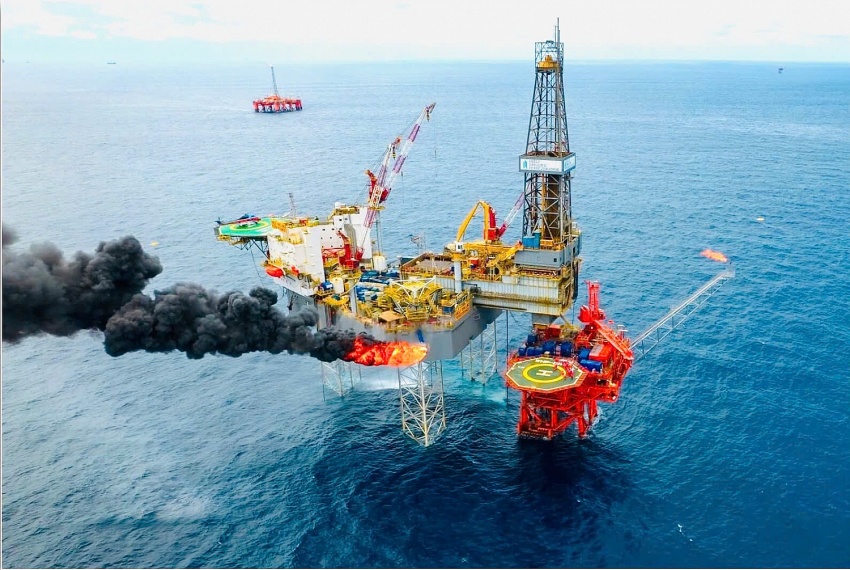
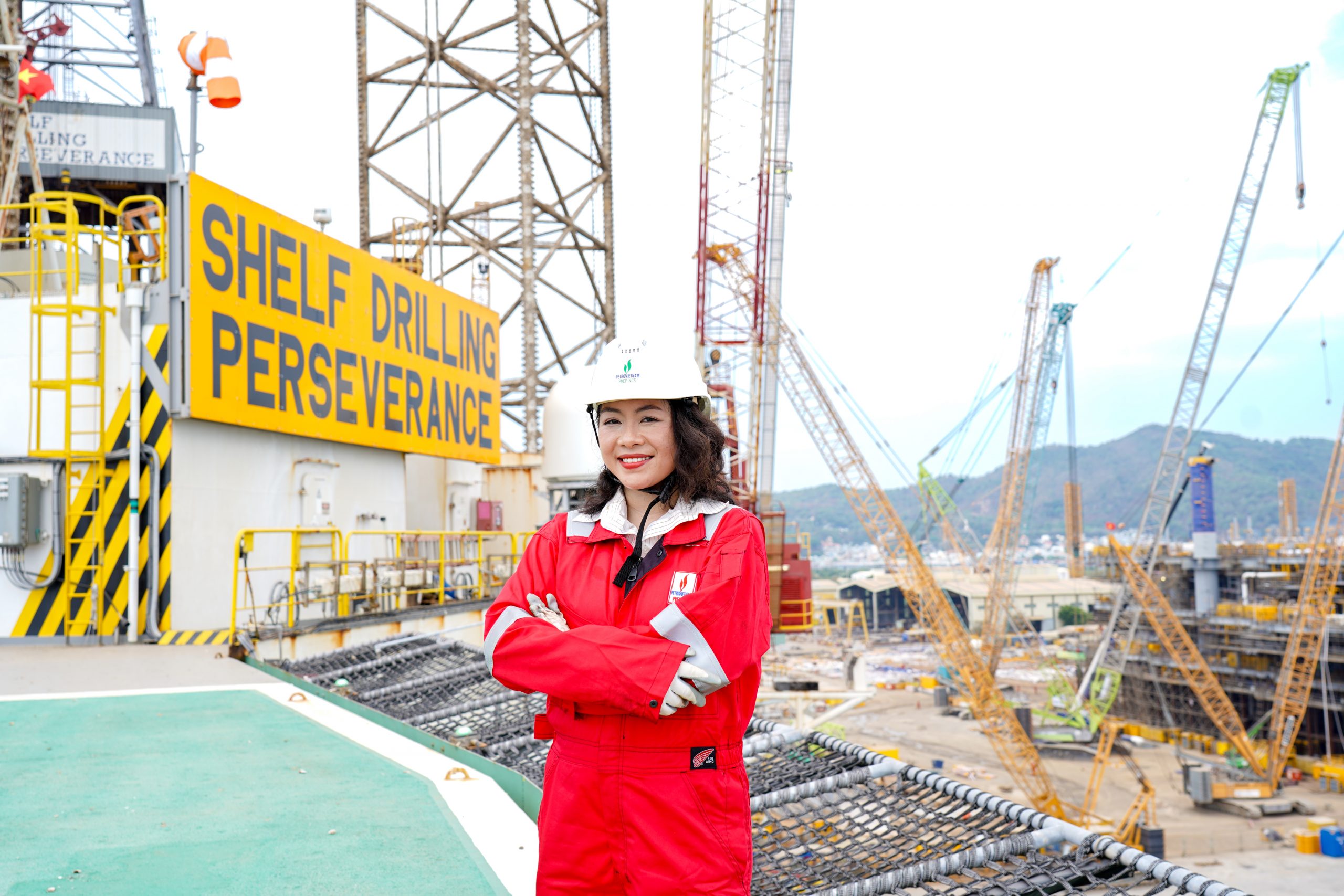
For Vietnam, the challenge extends beyond managing short-term price fluctuations. It requires building a more adaptive policy framework capable of safeguarding economic stability while preparing the country for a rapidly evolving global energy landscape.
Recognizing these risks, the Government has implemented a series of timely fiscal and supply-side measures to cushion the domestic economy. The Ministry of Industry and Trade has expanded national petroleum reserves from 15 to 26 days while simultaneously reducing several taxes and fees—including environmental protection tax, value-added tax (VAT), and special consumption tax—to zero. These measures have helped stabilize domestic fuel prices, ease inflationary pressures, maintain business confidence, and protect production activities during periods of heightened market uncertainty.
Such interventions, however, are inherently temporary. International institutions including the Organisation for Economic Co-operation and Development (OECD) and the International Monetary Fund (IMF) have consistently cautioned that prolonged price support mechanisms can place a significant burden on public finances, weaken market signals, reduce incentives for energy conservation, and delay the structural reforms necessary for long-term energy security.
Vietnam’s structural vulnerability further reinforces the need for a more strategic approach. Although the Dung Quat and Nghi Son refineries provide an important foundation for domestic supply, they currently satisfy only about 70 percent of national petroleum demand. The remaining 30 percent continues to depend on imports, primarily from ASEAN countries and the Middle East, leaving the economy exposed to geopolitical tensions, shipping disruptions, and fluctuations in international energy markets.
Against this backdrop, the concept of energy security is undergoing a profound transformation. Energy can no longer be viewed simply as a production input or a tradable commodity. Instead, it has become a strategic asset that shapes national competitiveness, geopolitical influence, and economic sovereignty. For countries that remain heavily dependent on external energy sources, vulnerability extends beyond price volatility to encompass broader risks affecting national security, industrial resilience, and long-term development.
Consequently, Vietnam’s strategic priority must evolve from merely mitigating external shocks toward strengthening the economy’s intrinsic resilience. Rather than relying predominantly on short-term stabilization measures, the country needs to reinforce its internal capabilities through scientific innovation, technological advancement, and institutional modernization. Building technological self-reliance across the energy sector will not only reduce dependence on external markets but also create the foundation for sustainable growth in an increasingly uncertain global environment.
This shift—from reactive crisis management to long-term resilience—marks a fundamental transition in Vietnam’s energy strategy. It recognizes that the country’s future competitiveness will depend not only on securing reliable energy supplies, but also on mastering the technologies, innovation ecosystems, and human capital that will define the next generation of global energy development.
The Dai Hung Story – Technological Self-Reliance and Economic Sovereignty
Vietnam’s pursuit of energy security is fundamentally rooted in its ability to master technology. Few examples illustrate this transformation more convincingly than the development of the Dai Hung (Big Bear) oil field—a project that has evolved from a commercially challenged asset into one of the country’s most remarkable achievements in technological self-reliance.
The story began in 1974, when Mobil Oil first identified hydrocarbon reserves within the Dai Hung structure on Vietnam’s continental shelf. More than a decade later, PetroVietnam initiated further exploration, paving the way for international investment. Between 1993 and 1996, a consortium comprising BHP (Australia), Total (France), Sumitomo (Japan), Petronas (Malaysia), and PetroVietnam Exploration Production Corporation (PVEP) invested more than US$400 million in developing the field, with BHP serving as the project operator.
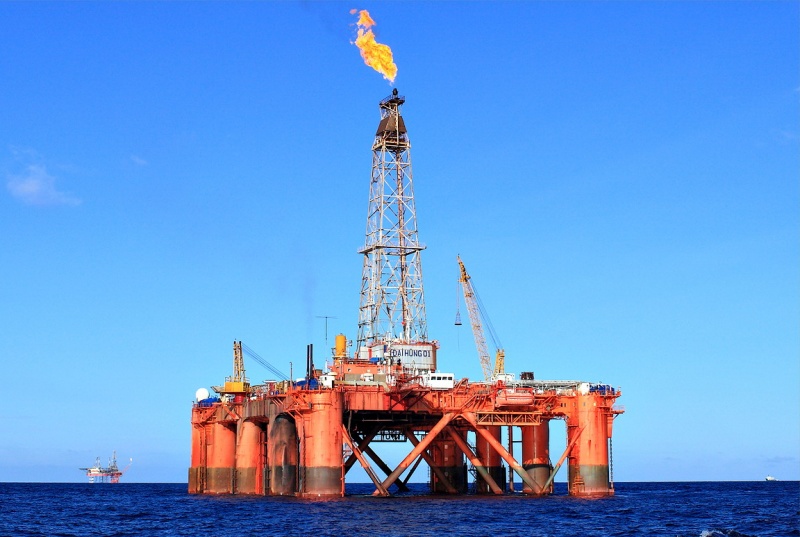
Despite substantial financial commitments and international expertise, the project faced formidable obstacles. Complex geological formations, harsh deep-water conditions, and disappointing commercial returns significantly undermined its viability. As costs escalated and production expectations diminished, foreign investors gradually withdrew from the venture.
A defining moment came in 1999, when the Dai Hung field was transferred to PetroVietnam for the symbolic price of just one US dollar. What many regarded as a stranded asset instead became an opportunity for Vietnam to demonstrate its determination to build indigenous technological capabilities. PetroVietnam assigned Vietsovpetro to continue operating and maintaining the field while pursuing additional exploration. By 2003, operational responsibility had been fully entrusted to domestic engineering teams, marking the beginning of a new chapter driven by Vietnamese expertise.
Starting with limited experience and resources, Vietnamese engineers steadily transformed the project through persistence, technical innovation, and continuous learning. Rather than relying on imported solutions, they optimized production systems, improved well design, enhanced oil recovery techniques, and modernized offshore processing and transportation facilities. Advanced technologies—including artificial intelligence, digital reservoir analysis, production optimization, and enhanced recovery methods—were progressively integrated into field operations, significantly improving production efficiency and extending the field’s commercial life.
The results have been extraordinary. A project once valued at only one dollar has generated cumulative revenues exceeding US$4 billion, becoming one of Vietnam’s most compelling examples of technological mastery in the petroleum industry. More importantly, Dai Hung demonstrated that domestic scientific capability, engineering excellence, and institutional commitment could overcome challenges previously considered beyond Vietnam’s technological reach.
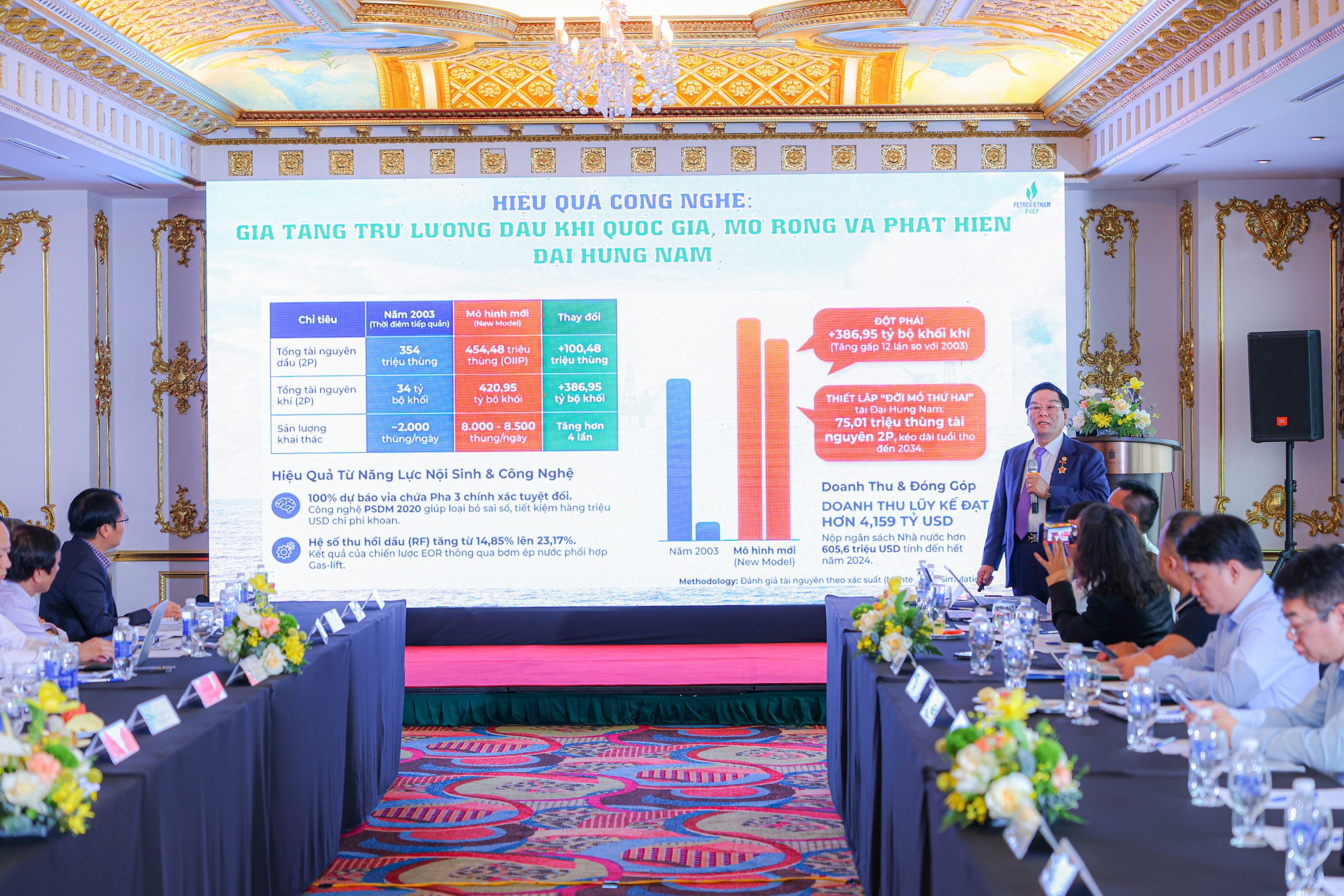
The significance of Dai Hung extends even further with its Phase III development project, which represents a historic milestone for Vietnam’s offshore energy industry. For the first time, the project was designed, engineered, constructed, and operated entirely through domestic expertise and resources. The integrated strength of the PetroVietnam ecosystem—including PVEP, Vietsovpetro, leading engineering contractors, research institutions, and Vietnamese scientists—was mobilized to deliver one of the country’s most technically demanding offshore developments.
The project involved the construction and installation of the WHP-DH01 wellhead platform in water depths exceeding 110 meters, together with a sophisticated 5.2-kilometer flexible subsea pipeline connecting the platform to the central processing facility. These engineering achievements were completed under exceptionally difficult circumstances, including disruptions caused by the COVID-19 pandemic, global supply chain constraints, escalating material costs driven by geopolitical tensions, and operations conducted approximately 265 kilometers offshore.
Successfully delivering such a complex project entirely with Vietnamese personnel represents far more than an engineering accomplishment. It places Vietnam among a relatively small group of nations capable of independently designing, constructing, and operating deep-water offshore oil and gas facilities. This capability reflects decades of accumulated scientific knowledge, engineering experience, and industrial development rather than reliance on foreign contractors.
Beyond its economic value, Dai Hung has become a symbol of national resilience and economic sovereignty. The project demonstrates that technological independence is not simply about increasing production or reducing operational costs; it is also about strengthening strategic autonomy, enhancing national competitiveness, and safeguarding maritime interests through advanced civilian infrastructure. In an era where technology increasingly defines geopolitical influence, the ability to independently develop and operate complex energy infrastructure constitutes a strategic asset that contributes directly to both economic security and national sovereignty.
Ultimately, the Dai Hung story illustrates a broader lesson for Vietnam’s development trajectory. Sustainable competitiveness is built not merely on natural resource endowments, but on the capacity to transform knowledge into innovation, innovation into industrial capability, and industrial capability into long-term national resilience. It is this transformation—from resource dependence to technological leadership—that defines the true significance of Dai Hung in Vietnam’s journey toward energy security and sustainable development.
The lessons learned from the Dai Hung oil field extend far beyond the success of a single offshore project. They offer a strategic blueprint for Vietnam as it enters a new phase of development—one defined not only by energy security but also by digital transformation, technological innovation, and the transition toward a low-carbon economy.
As governments gradually phase out short-term fuel price support measures, sustainable growth will increasingly depend on how efficiently energy is produced, managed, and consumed. In this new environment, competitiveness will no longer be determined solely by access to natural resources, but by the ability to optimize energy systems through advanced technologies, data-driven governance, and continuous innovation.
Vietnam’s petroleum industry has already begun this transformation. Across exploration, production, refining, and distribution, digital technologies are reshaping traditional operating models. PetroVietnam is deploying artificial intelligence (AI), the Internet of Things (IoT), big data analytics, and digital platforms to optimize production processes, improve predictive maintenance, strengthen regulatory compliance, enhance forecasting capabilities, and support strategic decision-making in an increasingly volatile global market. These initiatives are improving operational efficiency while creating a more transparent, resilient, and intelligent energy ecosystem.
The impact of digital transformation extends well beyond the energy sector itself. Energy-intensive industries—including cement, steel, chemicals, and manufacturing—account for more than half of Vietnam’s total energy consumption. Integrating smart technologies, automation, intelligent energy management systems, and modern power grids offers significant opportunities to improve efficiency and reduce production costs. According to national policy research, the adoption of advanced technologies could lower industrial energy consumption by 10 to 20 percent, enabling businesses to enhance productivity while reducing their environmental footprint.
Rather than viewing rising energy prices solely as a constraint, Vietnam has an opportunity to treat them as a catalyst for industrial modernization. Higher energy costs can encourage enterprises to accelerate technological upgrading, improve resource efficiency, and reduce the energy intensity of economic growth. Such structural improvements will strengthen the long-term competitiveness of Vietnamese industries while supporting the country’s commitment to sustainable development.
The technological capabilities demonstrated through projects such as Dai Hung also provide a solid foundation for Vietnam’s renewable energy ambitions. Successfully designing, constructing, and operating complex offshore oil and gas facilities has equipped Vietnamese engineers with valuable expertise that can be applied to the next generation of energy infrastructure. This accumulated experience positions Vietnam to implement the National Power Development Plan VIII (PDP8) with greater confidence, particularly in the development of offshore wind power.
The transition from offshore petroleum to offshore renewable energy represents more than a change in energy sources; it reflects a broader transformation in the country’s development model. The engineering capabilities once dedicated to extracting finite hydrocarbon resources beneath the continental shelf can now be redirected toward harnessing abundant and sustainable wind resources across Vietnam’s extensive coastline. This evolution illustrates how technological expertise developed in one industry can become a strategic asset for building another.
At the same time, a modern, low-carbon energy system is becoming an increasingly important determinant of international competitiveness. As global markets introduce stricter Environmental, Social, and Governance (ESG) requirements and Carbon Border Adjustment Mechanisms (CBAM), access to clean, reliable, and technologically advanced energy will influence investment decisions as much as labor costs or market size. For Vietnam, energy security and green transformation are therefore not separate policy objectives but complementary pillars of economic development.
A cleaner and more resilient energy system will strengthen Vietnam’s ability to attract high-quality foreign direct investment, particularly in advanced manufacturing, digital industries, semiconductor production, and other technology-intensive sectors. It will also enhance the competitiveness of Vietnamese exports by helping domestic producers comply with evolving international sustainability standards, thereby facilitating deeper integration into global value chains.
Ultimately, the progress achieved by Vietnam’s energy sector is the result of decades of investment in scientific research, engineering excellence, and technological innovation. Behind every offshore platform, digital control system, and renewable energy project stands a community of researchers, engineers, technicians, and industry professionals whose contributions often remain unseen but are fundamental to national development.
The Government’s continued emphasis on science, technology, innovation, and digital transformation reflects a broader strategic vision for Vietnam’s future. In an era characterized by geopolitical uncertainty, technological disruption, and accelerating climate change, national resilience will increasingly depend on a country’s capacity to innovate, adapt, and master critical technologies.
The story of Vietnam’s energy sector therefore extends beyond oil and gas. It is a story of transformation—from dependence to self-reliance, from resource extraction to technological innovation, and from short-term stabilization toward long-term resilience. As the global energy landscape continues to evolve, Vietnam’s greatest strategic advantage will not simply be the resources beneath its continental shelf, but the knowledge, talent, and technological capabilities that enable the nation to shape its own energy future while contributing to a more sustainable global economy.
the Director of the Institute
of Policy Administrator and
Development Strategy